Zoho CRM Implementation Partners Focused On Real-World Adoption

Here’s a truth bomb about CRM implementations that nobody wants to admit publicly but everyone knows privately.

Most CRM projects are technically successful but practically unsuccessful. The system works. The features are configured. The data is migrated. Launch happens on schedule. Everyone can log in and click around. Success, right?

Except nobody’s really using it properly. Your sales team enters minimal information because the CRM feels like administrative burden rather than helpful tool. Your marketing team can’t trust the data for segmentation because half of it’s incomplete or wrong. Your customer service team maintains their own spreadsheets because the CRM doesn’t quite work how they need it to.

Six months after launch, you’re sitting on expensive software that’s technically functional but practically underutilised. The promised efficiency gains haven’t materialised. The visibility improvements are theoretical rather than real. The ROI projections were based on assumptions about usage that never actually happened.

Welcome to the reality gap. The frustrating distance between CRM systems that work in theory and systems that work in practice for real teams doing real work.

This is where Zoho CRM implementation partners who focus on real-world adoption become genuinely essential. Not partners who measure success by technical delivery, but partners who don’t declare victory until your team is actually using the CRM effectively and deriving genuine business value from daily usage.

Let me show you exactly what separates theoretical implementation success from practical adoption success, and why this distinction determines whether your CRM investment delivers or disappoints.

Why Technical Implementation Success Doesn’t Guarantee Practical Adoption

Before we explore adoption-focused implementation, let’s properly diagnose why technically perfect CRM implementations so often fail practically.

Designed for Ideal Users, Implemented for Real Humans

Technical implementation assumes ideal users. People who enter complete information. Who follow processes consistently. Who embrace new technology eagerly. Who have unlimited time for learning and adoption.

Real humans are busy, sometimes resistant, often forgetful, and definitely not ideal. They take shortcuts. They forget training. They revert to familiar approaches under pressure. They need systems designed for actual human behaviour, not theoretical ideal behaviour.

This gap between ideal design and real usage undermines adoption regardless of technical excellence.

Also read: Modern Systems Built With Zoho Consultants

Solving the Wrong Problems Technically Well

Sometimes implementations execute beautifully on requirements that don’t actually solve real user problems. Leadership wants certain capabilities. Requirements get documented. Implementation delivers perfectly.

But the real problem sales reps face daily? Still unsolved. The actual friction in customer service workflows? Still present. The genuine marketing pain point? Still aching.

Technical delivery of wrong solutions creates systems that work but don’t help, undermining adoption despite implementation success.

Complexity That Impresses Demos, Confuses Daily Use

CRM demonstrations love to showcase sophisticated features. Complex automation. Intricate workflows. Comprehensive dashboards. Everything looks impressive in a controlled demo environment.

Then real users try to use these systems daily. They can’t remember which workflow does what. They don’t understand the dashboard metrics. They get lost in complexity designed to impress rather than to support.

Impressive technical implementation creates confusing practical experience, destroying adoption.

Training That Checks Boxes Rather Than Building Competence

Most implementations include training as a required checkbox. Quick overview session. Basic feature demonstration. “Any questions? Great, you’re trained.”

This cursory training doesn’t build genuine competence or confidence. People leave training feeling overwhelmed rather than empowered. When they actually try to use the system, uncertainty breeds avoidance. Better to stick with familiar inefficient methods than risk mistakes in the confusing new CRM.

No Real-World Testing Before Full Rollout

Technical testing validates that features work as configured. But technical functionality doesn’t equal practical usability for real workflows with real data under real conditions.

Without genuine real-world testing involving actual users doing actual work, implementations launch with usability problems that undermine adoption from day one.

What Real-World Adoption Focus Actually Means

Let’s get specific about how Zoho CRM implementation partners focused on real-world adoption approach projects fundamentally differently.

They Start With Real User Needs, Not Just Requirements Documents

Adoption-focused partners spend significant time understanding how people actually work, not just what management wants implemented.

What frustrates sales reps daily? What makes customer service agents’ jobs difficult? What slows marketing coordinators down? What workarounds do people currently use?

This deep understanding of real user needs ensures implementation solves actual problems rather than just delivering requested features.

They Design for Real Usage Patterns, Not Ideal Processes

Rather than implementing theoretical ideal processes, adoption-focused partners design for how work actually flows in messy reality.

They account for exceptions. They anticipate shortcuts people will take. They plan for when people are busy and stressed. They design for mobile usage because people aren’t always at desks.

This reality-based design creates systems people can actually use effectively under real-world conditions.

They Test With Real Users Doing Real Work

Before full rollout, adoption-focused partners conduct genuine user acceptance testing. Real users. Real data. Real workflows. Real feedback.

This testing reveals usability problems theoretical testing misses. People get confused by that field label. This workflow doesn’t match how they actually process orders. That report doesn’t show information they actually need.

Fixing these real-world issues before launch prevents the adoption problems that plague implementations tested only technically.

They Provide Training That Builds Genuine Competence

Adoption-focused training isn’t about covering all features. It’s about building confidence and competence for real daily usage.

Hands-on practice with realistic scenarios. Role-playing common situations. Troubleshooting typical problems. Building muscle memory through repetition.

This practical training creates people who can genuinely use the CRM effectively, not just people who attended a training session.

They Support Real-World Adoption Post-Launch

Launch isn’t the end of adoption-focused implementation. It’s the beginning of real-world usage where actual adoption happens or fails.

Intensive support during first weeks. Quick response to real usage questions. Refinement based on actual user feedback. Continued training as people encounter new scenarios.

This ongoing support bridges the gap between training and genuine competence through daily usage.

The Smartmates Real-World Adoption Methodology

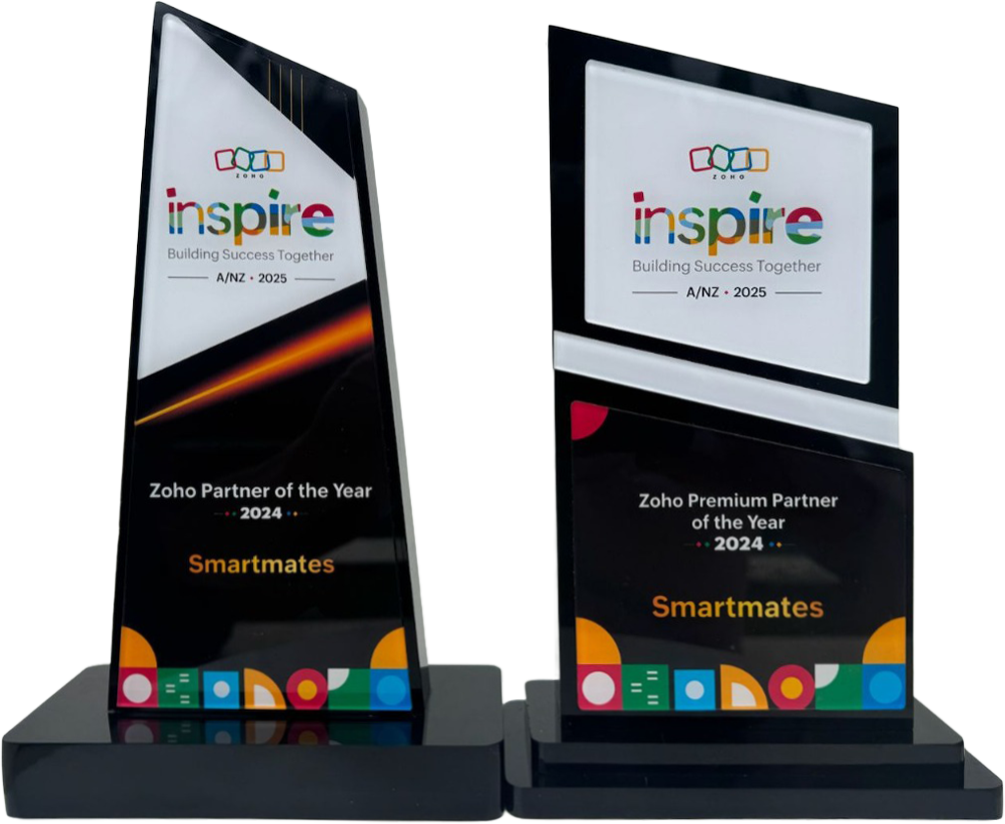
Right, let’s talk about what exceptional adoption-focused Zoho CRM implementation actually delivers. And since we’re being direct, let me show you how Smartmates approaches this for Australian businesses.

Why Smartmates Focuses on Practical Adoption

First, they measure success by actual usage and business outcomes, not technical delivery milestones. A perfectly implemented CRM that sits unused is a complete failure, regardless of technical excellence.

This adoption-first mindset shapes every decision from initial planning through ongoing support.

Certified Zoho expertise with practical implementation experience. The Smartmates team holds technical certifications, but more importantly, they’ve guided real teams through real adoptions. They know what works practically, not just technically.

User-centric implementation methodology. Smartmates designs for real users doing real work. They involve users early and often. They test with real scenarios. They refine based on actual usage feedback.

Australian business understanding. Being locally based means Smartmates understands how Australian teams work, communicate, and adopt technology. Implementation addresses real local working patterns.

Dual platform mastery. Unlike partners locked into one platform, Smartmates works with both Zoho and HubSpot. This flexibility means they recommend whichever CRM real users are more likely to adopt successfully.

They optimise for your practical adoption success, not platform preference.

But here’s what genuinely sets Smartmates apart: their refusal to declare success until adoption is genuinely happening and delivering real business value.

What working with Smartmates delivers:

You get implementation designed for real user needs and work patterns. You get testing with real users before full rollout. You get training that builds genuine competence. You get support through actual adoption journey. You get refinement based on real-world feedback.

And critically, you get partnership that continues until adoption is genuinely successful in practice, not just theoretical in potential.

Visit smartmates.com.au to discover how adoption-focused Zoho CRM implementation transforms theoretical capability into practical reality.

Real-World Adoption: The Complete Approach

How do adoption-focused Zoho CRM implementation partners actually drive practical adoption? Here’s the comprehensive methodology.

Phase One: Real User Discovery

Implementation starts with understanding real users, not just business requirements.

Shadow users doing their actual work. Interview about daily frustrations. Observe current workarounds. Understand what would genuinely make jobs easier versus what management thinks they need.

This discovery creates foundation for implementation that solves real problems rather than theoretical ones.

Phase Two: Reality-Based Design

With real needs understood, design systems for how work actually happens, not ideal theoretical processes.

Account for exceptions that occur regularly. Design for busy periods when people are stressed. Plan for mobile usage patterns. Create shortcuts for common tasks. Build in flexibility where people genuinely need it.

This reality-based design creates usable systems rather than theoretically perfect but practically difficult ones.

Phase Three: Implementation With Ongoing User Validation

As implementation progresses, continue involving real users for validation.

Show them what’s being built. Get feedback on whether it actually solves their problems. Let them try prototypes with real data. Adjust based on their input.

This ongoing validation prevents the “we built what was requested but it doesn’t actually work for us” problem.

Phase Four: Real-World Testing Before Launch

Before full rollout, conduct genuine user acceptance testing.

Real users. Real data. Real workflows. Real environment. Real feedback about what works and what doesn’t.

Fix usability problems discovered during testing before they affect everyone at launch.

Phase Five: Practical Training and Support

Training focuses on real daily tasks, not comprehensive feature coverage.

Practice with scenarios people will encounter. Build confidence through hands-on experience. Create job aids for quick reference. Establish support channels for real questions.

This practical training creates capable users rather than just trained attendees.

Phase Six: Supported Adoption Journey

After launch, intensive support ensures practical adoption actually happens.

Monitor usage patterns. Identify struggling users early. Provide additional training as needed. Refine based on real usage feedback. Celebrate adoption successes.

This supported journey transforms potential into actual sustained adoption.

Adoption Phase Traditional Focus Real-World Adoption Focus
Discovery Requirements gathering Real user need understanding
Design Ideal process implementation Reality-based workflow design
Build Technical specifications User validation throughout
Testing Technical functionality Real user acceptance
Training Feature coverage Practical competence building
Launch Technical delivery Supported adoption journey
Success Measure System works People use it effectively

Preventing Common Real-World Adoption Failures

Even with good implementation, certain patterns consistently undermine practical adoption. Here’s how adoption-focused partners prevent these failures.

The “It Doesn’t Work How I Work” Rejection

When CRM doesn’t match how people actually work, they reject it regardless of technical excellence.

Prevention: Design specifically for actual workflows. Involve users in design decisions. Provide flexibility where genuinely needed. Make the CRM fit the work, not force work to fit the CRM.

The “Too Complicated for Daily Use” Avoidance

Sophisticated systems that impress in demos but confuse in daily use get avoided under pressure.

Prevention: Prioritise simplicity and usability over impressive features. Hide complexity from users who don’t need it. Progressive disclosure showing advanced features only to those who want them.

The “I Don’t Trust the Data” Spiral

When users don’t trust CRM data quality, they don’t use it. Because they don’t use it, quality gets worse. The spiral continues downward.

Prevention: Build data quality into the system through validation and automation. Make maintaining quality easy. Show users how good data helps them personally.

The “Nobody Can Answer My Questions” Frustration

When people can’t get help with real usage questions, frustration builds and adoption erodes.

Prevention: Establish clear support channels. Respond quickly to questions. Create searchable knowledge base. Develop internal champions who can help colleagues.

The “Management Mandate Without Buy-In” Resistance

Forcing usage through mandate without building genuine buy-in creates resentment and minimal compliance.

Prevention: Build real buy-in through involvement and demonstrated value. Show people how CRM helps them, not just monitors them. Create advocates rather than forcing compliance.

Measuring Real-World Adoption Success

How do you know if implementation has achieved genuine practical adoption? Here are metrics that tell the truth.

Daily Active Usage Rates

What percentage of users log in and actively use CRM daily? High daily usage indicates genuine adoption, not just occasional compliance.

Feature Utilisation Depth

Are people using features properly or just scratching the surface? Deep usage indicates real competence and value perception.

Data Quality Metrics

Is data complete, accurate, and current? High quality indicates people are maintaining CRM properly because they see value in doing so.

User Satisfaction and Confidence

Survey users regularly. Do they find CRM helpful? Are they confident using it? Would they recommend it to colleagues?

Growing satisfaction and confidence demonstrate genuine adoption rather than forced compliance.

Business Outcome Achievement

Are the business outcomes that justified CRM investment actually being achieved? Improved sales efficiency. Better customer retention. Enhanced visibility.

Connect adoption to real business results rather than just activity metrics.

Getting Started: Choosing Real-World Adoption Partners

Ready to implement Zoho CRM with genuine practical adoption as the priority? Here’s how to choose partners who’ll deliver.

Assess Their User-Centric Approach

How much do they talk about end users versus features? Do they ask about real user needs and workflows? Do they propose involving users throughout implementation?

Adoption-focused partners prioritise users throughout their approach.

Review Real Adoption Success Stories

Ask for case studies where practical adoption was highly successful. Talk to those clients about actual usage.

Are people really using the CRM daily? Has it genuinely improved operations? Would they characterise adoption as successful?

These conversations reveal whether partners truly deliver adoption or just claim to.

Evaluate Testing and Validation Approach

How do they test before launch? Do they involve real users? Do they test with real data and workflows?

Partners serious about adoption invest heavily in real-world testing and validation.

Understand Post-Launch Support

What support do they provide after technical launch? How long? What’s included?

Adoption happens after launch. Partners who provide substantial post-launch support understand this.

Verify Change Management Capability

CRM adoption is fundamentally a change management challenge. Do partners have structured approaches to change? Do they understand human psychology and behaviour?

Quality adoption partners excel at change management, not just technical implementation.

Transform Technical Success Into Practical Value

Here’s the bottom line, and I’ll be direct because your CRM investment depends on it.

Technical implementation success is necessary but insufficient. You need practical adoption success. You need real people actually using the CRM effectively for real work. You need genuine business outcomes, not just functioning software.

Most Zoho CRM implementation partners focus primarily on technical delivery. Configure features. Migrate data. Complete project. Success declared based on technical milestones achieved.

Adoption-focused partners measure success completely differently. They don’t care about technical delivery if adoption fails. They define success as real users genuinely using CRM effectively and deriving actual business value.

This fundamental difference in success definition changes everything about how implementation happens and what outcomes get delivered.

That’s exactly what Smartmates delivers for Australian businesses. You get implementation designed for real users and real workflows. You get testing with actual people doing actual work. You get training building genuine competence. You get support through the complete adoption journey. You get refinement based on real-world feedback.

And you get partnership that doesn’t declare success until adoption is genuinely happening and delivering measurable business value.

Your CRM deserves to actually get used properly, not sit as expensive underutilised software. The difference between technical success and practical adoption determines whether investment delivers or disappoints.

Ready to transform Zoho CRM from technical implementation into genuine practical adoption? Connect with Smartmates at smartmates.com.au and discover how real-world adoption focus creates systems teams actually use, data you can actually trust, and business outcomes that actually materialise. Your CRM investment should work in practice, not just theory. Make it real.

Request a Callback from Smartmates

Sarah the sales engineer

Sarah

Senior Sales Engineer
  • I’ll listen to your Zoho needs to understand your business challenges and goals, ensuring a tailored approach.

  • I’ll bring a certified Zoho engineer to our first consultation to explore solutions and clarify your requirements.

  • We’ll deliver your free project plan quotation, detailing the steps, timeline, and costs—up to this point, it’s completely free!

“My mission is to solve your key problems, build your trust in our capabilities and deliver exceptional value for money.”

Fill in your details and

we’ll contact you fast.

Fill in your details and

we’ll contact you fast.