Zoho CRM Consultants Focused On Adoption, Not Just Setup

You know what’s worse than not having a CRM? Having a CRM that nobody uses properly.

Actually, scratch that. It’s worse than having no CRM because now you’ve invested time and money into a system that’s become expensive shelfware. Your team grudgingly logs in when forced. They enter minimal information. They create workarounds using spreadsheets and email because the CRM feels more like a burden than a tool.

Meanwhile, management is frustrated because adoption is terrible and they’re not seeing the ROI they expected. Sales leadership is annoyed because the data is incomplete and unreliable. Marketing can’t trust the information for targeting. Everyone’s unhappy.

Welcome to the CRM adoption crisis. The dirty secret of business software that nobody talks about enough.

Here’s the pattern I see constantly. Business invests in Zoho CRM. Technical setup happens (sometimes well, sometimes poorly). Launch occurs. Then crickets. Or worse, active resistance disguised as compliance. People using the system just enough to avoid trouble but not enough to derive value.

Six months later, you’re sitting on a technically functional CRM that delivers almost zero business value because adoption never truly happened.

This is where the difference between Zoho CRM consultants who focus on setup versus those who focus on adoption becomes absolutely critical. Setup consultants deliver configured software and consider the job done. Adoption-focused consultants don’t declare success until your team is actually using the CRM effectively and deriving genuine business value.

Let me show you exactly what separates these approaches and why adoption focus transforms CRM from liability into asset.

Why CRM Adoption Fails Despite Successful Setup

Before we explore adoption-focused consulting, let’s properly diagnose why CRM adoption fails so often even when technical setup is perfect.

The “Built for Management, Used by Everyone Else” Problem

Most CRM implementations are designed around management reporting needs. What metrics does leadership want to see? What visibility do executives need? These are important questions, but they’re not the primary users’ questions.

Sales reps don’t care about executive dashboards. They care about whether the CRM makes their job easier or harder. If it feels like surveillance rather than support, they’ll resist using it beyond the minimum necessary to avoid management complaints.

This misalignment between who the system serves and who uses it daily creates fundamental adoption problems.

Also read: Zoho Consultants For Connected Operations

Complexity Without Perceived Value

CRMs are inherently complex because they’re trying to capture comprehensive information about customer relationships. But complexity requires motivation. People tolerate complexity when they perceive clear value.

If sales reps can’t see how using the CRM helps them close more deals or work more efficiently, they won’t invest energy in using it properly. The complexity becomes pure cost with no perceived benefit.

Inadequate Training Creating Confidence Gaps

Most CRM training is cursory. Quick overview session. Here’s how to add a contact. Here’s how to create a deal. Questions? Okay, you’re trained.

This surface-level training doesn’t build genuine competence or confidence. People feel uncertain about whether they’re using the system correctly. This uncertainty breeds avoidance. Better to stick with familiar tools than risk making mistakes in the confusing new system.

Change Management Neglected

CRM implementation changes workflows, processes, and daily habits. This change requires proper management. Communication about why change is happening. Support during transition. Patience with the learning curve.

When change management is neglected, people feel disrupted without understanding the purpose. Resistance emerges naturally as protection against unwanted change.

No Ongoing Support Structure

Setup consultants launch the CRM and disappear. When questions arise (and they always do), there’s nobody to ask. When issues emerge, there’s no clear path to resolution. When adoption stalls, there’s no support to reinvigorate it.

This abandonment after launch undermines adoption because people need ongoing support as they develop competence and encounter new situations.

What Adoption-Focused Zoho CRM Consultants Do Differently

Let’s get specific about how adoption-focused consultants approach CRM implementation in fundamentally different ways.

They Design for End User Experience, Not Just Management Reporting

Adoption-focused consultants start by understanding the people who’ll use the CRM daily. Sales reps. Marketing coordinators. Customer service agents. What are their pain points? What would make their work easier? How can CRM support them, not just monitor them?

Design decisions prioritise user experience. Simplified interfaces. Intuitive workflows. Automation that eliminates tedious tasks. Mobile accessibility for people working remotely. Fields and processes that make sense to actual users, not just executives.

This user-centric design creates systems people want to use rather than systems they’re forced to use.

They Build Adoption Strategy Alongside Technical Implementation

Adoption isn’t an afterthought. It’s central to the entire implementation strategy from day one.

Who are the early adopters who’ll champion the system? What training approach will build genuine competence? What support resources will people need? How will adoption be monitored and supported? What incentives will encourage proper usage?

These adoption questions get answered during planning, not scrambled together after launch when adoption is already struggling.

They Provide Comprehensive, Role-Specific Training

Generic CRM training that covers everything for everyone is overwhelming and ineffective. Adoption-focused consultants deliver role-specific training tailored to what each person actually needs.

Sales reps learn deal management and pipeline tracking. Marketing learns campaign management and lead nurturing. Customer service learns ticket handling and customer history tracking. Each person learns what matters for their job, not everything the CRM can theoretically do.

This focused training builds genuine competence faster and creates confidence that drives adoption.

They Establish Support Structures for Ongoing Questions

Launch isn’t the end of consultant involvement. Adoption-focused consultants establish support structures ensuring people get help when needed.

Office hours for questions. Quick reference documentation. Video tutorials for common tasks. Champions who can help colleagues. Clear escalation path for complex issues.

These support structures provide the ongoing assistance that transforms initial training into sustained competence.

They Monitor Adoption Metrics and Intervene Proactively

Adoption-focused consultants track actual usage. Who’s logging in? What features are being used? Where are people struggling? Which teams are adopting well versus poorly?

This monitoring reveals adoption problems early when they’re easier to address. Proactive intervention prevents adoption failures rather than discovering them months later when they’re entrenched.

The Smartmates Adoption-First Methodology

Right, let’s talk about what exceptional adoption-focused Zoho CRM consulting actually delivers. And since we’re being direct, let me show you how Smartmates prioritises adoption for Australian businesses.

Why Smartmates Focuses on Adoption Over Setup

First, they measure success by user adoption and business outcomes, not by technical implementation completion. A perfectly configured CRM that nobody uses is a failure, full stop.

This adoption-first mindset shapes every decision from initial planning through ongoing support.

Certified Zoho expertise with change management skills. The Smartmates team holds Zoho certifications, but more importantly, they understand human psychology, change management, and adult learning. They know how to get people to actually use new systems.

Proven adoption methodology. Smartmates has refined their approach through dozens of implementations. They know what drives adoption and what undermines it. This isn’t theoretical knowledge but battle-tested methodology.

Australian business culture understanding. Being locally based means Smartmates understands how Australian teams work and what drives behaviour in our business culture. Adoption strategies address real local dynamics.

Dual platform perspective. Unlike consultants locked into one platform, Smartmates works with both Zoho and HubSpot. This flexibility means they recommend whichever CRM is genuinely more likely to achieve strong adoption for your team.

They optimise for your adoption success, not platform preference.

But here’s what genuinely sets Smartmates apart: their commitment to staying involved until adoption is genuinely successful rather than just delivering technical setup and disappearing.

What working with Smartmates delivers:

You get user-centric design that prioritises end user experience. You get comprehensive adoption strategy alongside technical implementation. You get role-specific training that builds genuine competence. You get support structures for ongoing questions and issues. You get adoption monitoring with proactive intervention.

And critically, you get partnership that continues until adoption is genuinely successful and delivering business value.

Visit smartmates.com.au to discover how adoption-focused Zoho CRM consulting transforms implementation success.

Building Adoption: The Complete Strategy

How do adoption-focused Zoho CRM consultants actually drive successful adoption? Here’s the comprehensive approach.

Pre-Launch: Building Enthusiasm and Buy-In

Adoption doesn’t start at launch. It starts during planning.

Involve end users in design decisions. Show them how CRM will make their work easier. Address concerns openly. Build champions who are genuinely excited about the system.

This pre-launch engagement creates positive anticipation rather than anxious resistance.

Launch: Making First Impressions Count

Initial experience shapes long-term adoption. Launch must be smooth, supported, and positive.

Intensive support during first week. Quick response to questions and issues. Celebration of early wins. Recognition for people embracing the system. Problems addressed immediately before they create lasting negative impressions.

This supported launch builds confidence and momentum.

Post-Launch: Sustaining and Deepening Adoption

After initial excitement fades, sustained adoption requires ongoing effort.

Regular check-ins with users. Continuous training on new features or advanced capabilities. Success stories shared widely. Refinements based on user feedback. Rewards for high-quality usage.

This sustained support prevents the adoption erosion that typically happens weeks or months after launch.

Optimisation: Making CRM Better Based on Real Usage

As people use the CRM, opportunities for improvement emerge. Workflows that could be streamlined. Reports that need adjustment. Features that aren’t being used but should be.

Adoption-focused consultants use this feedback to continuously improve the system, demonstrating that user input matters and creating better experiences that reinforce adoption.

Adoption Phase Focus Key Activities Success Indicators
Pre-Launch Buy-in and enthusiasm User involvement, champion building Positive anticipation
Launch Smooth start Intensive support, quick wins Confident initial usage
Early Post-Launch Habit formation Regular reinforcement, issue resolution Growing daily usage
Sustained Usage Deepening competence Advanced training, feature adoption Expanding capability use
Optimisation Continuous improvement Feedback incorporation, refinement User-driven enhancements

Overcoming Common Adoption Challenges

Even with great consulting, certain challenges consistently threaten CRM adoption. Here’s how adoption-focused approaches prevent or address them.

The “Too Busy to Learn” Resistance

People claim they’re too busy to properly learn the CRM. They stick with familiar inefficient methods rather than investing time in learning better approaches.

Adoption solution: Make the right way the easy way. Design CRM to require fewer steps than manual alternatives. Show concrete time savings. Provide just-in-time training exactly when people need it. Make learning effortless.

The “Doesn’t Work How I Work” Friction

When CRM workflows don’t match how people actually work, they create friction that undermines adoption.

Adoption solution: Configure CRM to match actual workflows, not theoretical ideal processes. Involve users in workflow design. Provide flexibility where people genuinely need it while maintaining structure where it adds value.

The “Data Quality Death Spiral”

Poor data quality undermines trust in CRM. People don’t trust the data so they don’t use the CRM. Because they don’t use it, data quality gets worse. The spiral continues downward.

Adoption solution: Build data quality into the system through validation, automation, and governance. Make maintaining quality easy through smart defaults and automation. Show people how good data helps them individually.

The “Leadership Doesn’t Use It Either” Credibility Gap

If leadership mandates CRM use but doesn’t use it themselves, credibility evaporates. “Do as I say, not as I do” never works.

Adoption solution: Ensure leadership visibly uses and values CRM. Executive dashboards they actually reference. Decisions demonstrably based on CRM data. Public recognition for quality CRM usage.

The “Feature Overload” Overwhelm

When too many features are enabled too quickly, people feel overwhelmed and retreat to minimal usage.

Adoption solution: Progressive feature rollout. Start with core essential capabilities. Add features gradually as competence grows. Let people master basics before introducing advanced capabilities.

Measuring Adoption Success

How do you know if adoption-focused consulting has actually driven successful adoption? Here are the metrics that matter.

Active Usage Rates

What percentage of licensed users actively use CRM daily or weekly? High active usage indicates successful adoption.

Track login frequency. Monitor feature usage. Identify power users versus minimal users. Growing active usage validates adoption success.

Data Quality and Completeness

Are records complete? Are fields populated properly? Is information accurate and current?

High data quality indicates people are using CRM properly, not just going through motions. Quality improves when people see value in maintaining it.

User Satisfaction Scores

Survey users regularly. Do they find CRM helpful? Would they recommend it to colleagues? Are they discovering new valuable capabilities?

Growing satisfaction scores demonstrate adoption is genuine and positive, not just compliant.

Business Outcome Improvements

Ultimately, CRM should improve business outcomes. Sales cycle shorter. Win rates higher. Customer retention improved. Pipeline visibility better.

Connect CRM adoption to business results. Validate that adoption is driving genuine value, not just activity.

Reduced Shadow Systems

Are people still maintaining parallel spreadsheets or using email as their real system? Decreasing shadow systems indicates CRM has become the genuine system of record.

Getting Started: Choosing Adoption-Focused Zoho CRM Consultants

Ready to implement Zoho CRM with genuine adoption as the priority? Here’s how to choose consultants who’ll deliver.

Ask About Their Adoption Approach

Don’t just ask about technical capabilities. Ask specifically about adoption strategy.

How do they ensure people actually use the CRM? What’s their training methodology? How do they handle resistance? What post-launch support do they provide?

Adoption-focused consultants have detailed answers to these questions because adoption is central to their approach.

Request Adoption Success Stories

Ask for references from clients where adoption was highly successful. Talk to those clients about adoption journey.

What made it work? What challenges emerged? How did consultants help? Would they characterise adoption as successful?

These conversations reveal whether consultants genuinely deliver adoption or just claim to.

Evaluate Their Change Management Expertise

CRM implementation is fundamentally a change management challenge, not just a technical challenge.

Assess consultants’ change management capabilities. Do they understand human psychology? Do they speak about user experience and behaviour? Do they have structured approaches to change?

Understand Their Ongoing Support Model

Adoption requires ongoing support, not just launch and abandon.

Clarify what post-launch support they provide. How long? What’s included? How do they monitor and support adoption?

Adoption-focused consultants commit to staying involved until adoption is genuinely successful.

Transform Setup Success Into Adoption Success

Here’s the bottom line, and I’ll be direct because your CRM investment depends on it.

Perfect technical setup means nothing if nobody uses the system properly. CRM value comes from adoption, not configuration. Yet most consultants focus primarily on technical implementation and treat adoption as secondary or someone else’s problem.

Adoption-focused Zoho CRM consultants flip this priority. They view technical setup as necessary foundation but adoption as the actual objective. Every decision is evaluated through the lens of “will this drive or undermine adoption?”

This adoption-first approach changes everything. User experience becomes paramount. Training becomes comprehensive. Support becomes ongoing. Monitoring becomes proactive. Success is measured by usage and outcomes, not just deliverables.

The result? CRM that people actually use because it genuinely makes their work better. Data that’s reliable because people maintain quality. Business outcomes that improve because CRM is delivering the value it promised.

That’s exactly what Smartmates delivers for Australian businesses. You get user-centric design prioritising end user experience. You get comprehensive adoption strategy alongside technical excellence. You get role-specific training building genuine competence. You get ongoing support ensuring sustained adoption. You get monitoring with proactive intervention.

And you get partnership that doesn’t declare success until adoption is genuinely achieved and delivering business value.

Your CRM investment deserves to actually deliver value through genuine adoption, not sit as expensive shelfware that technically works but practically fails.

Ready to transform Zoho CRM from technical setup into genuine adoption success? Connect with Smartmates at smartmates.com.au and discover how adoption-focused consulting creates CRM systems that people actually use, data that’s genuinely reliable, and business outcomes that validate your investment. Your CRM should work for your team, not despite them. Make adoption the priority.

Request a Callback from Smartmates

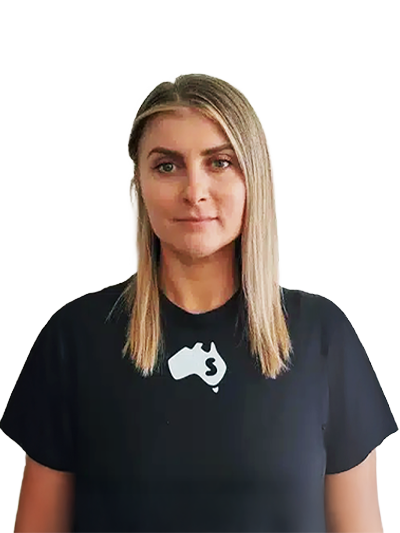
Sarah the sales engineer

Sarah

Senior Sales Engineer
  • I’ll listen to your HubSpot needs to understand your business challenges and goals, ensuring a tailored approach.

  • I’ll bring our engineer onto our first consultation to explore solutions and clarify your requirements.

  • We’ll deliver your free project plan quotation, detailing the steps, timeline, and costs—up to this point, it’s completely free!

“My mission is to solve your key problems, build your trust in our capabilities and deliver exceptional value for money.”

Fill in your details and

we’ll contact you fast.

Fill in your details and

we’ll contact you fast.