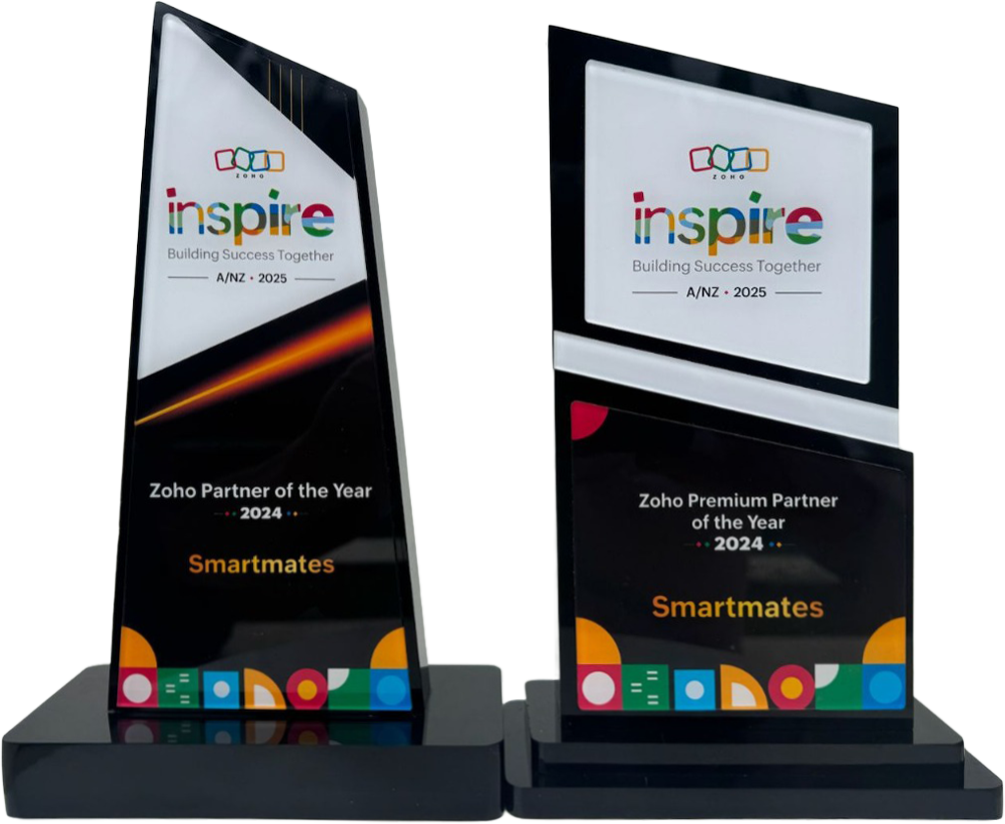
4 Years in a Row
Officially awarded Zoho Partner of the Year in Australia for 2022, 2023, 2024 and 2025. Chosen from 60+ Australian Zoho Partners by Zoho themselves.*
- First Top-Up Special $129 $99/hr + GST
Book your free video conference with our Zoho Consultants
Get your free comprehensive Zoho rollout quotation
Recognised as Australia’s #1 Zoho Partner, 4 years running
Minimum project size 10 consulting hours.
CRM Systems That Stick: Built By Zoho CRM Consultants

Walk into any Australian business and ask about their CRM system. Watch the reactions carefully. Some people will grimace. Others will change the subject. A few brave souls might laugh bitterly before launching into stories about the system everyone was supposed to use but nobody does.
The IT graveyard is littered with CRM implementations that looked perfect on launch day and died quietly within six months. Systems that cost hundreds of thousands in licensing, consulting, and training. Platforms that promised to revolutionise customer relationships. Software that now sits unused while teams revert to spreadsheets, email folders, and sticky notes.
Here’s the uncomfortable truth: most CRM failures aren’t technical problems. The software works fine. The integrations function correctly. The data imports cleanly. But none of that matters if your team won’t actually use the bloody thing.
That’s where Zoho CRM consultants who understand adoption psychology become invaluable. They don’t just build systems that work technically. They create solutions that stick. Solutions people want to use. Solutions that become part of daily workflow rather than obstacles everyone avoids.
Let’s explore why some CRM implementations achieve 90% adoption while others struggle to crack 30%, and what separates consultants who build sticky systems from those who create expensive failures.
Also Read: The Agency Growth Formula Operations Zoho CRM Training
The Adoption Crisis Nobody Discusses Openly
Every vendor promises their CRM will be intuitive and user-friendly. Every implementation starts with optimistic predictions about adoption rates. Every project plan includes training sessions and change management activities. Yet somehow, six months after launch, usage is abysmal.
The numbers tell a depressing story. Industry research suggests fewer than one-third of CRM implementations achieve their intended goals. User adoption rates average around 40% across most deployments. That means 60% of your team is finding ways to avoid the system you invested heavily in building.
Why do teams resist CRM systems so fiercely?
The system feels like surveillance rather than support. When CRM implementations focus on management reporting without providing value to frontline users, resistance is inevitable. Sales reps see it as a way for leadership to monitor their activities, not a tool that makes their jobs easier.
Nobody asked for their input during design. When systems are imposed from above without consulting the people who’ll use them daily, adoption suffers. Teams resent solutions that ignore their actual needs and workflows.
The learning curve is too steep for the perceived benefit. If your team needs weeks of training to become competent, and the system only delivers marginal improvements over current methods, why would they bother? Effort must match reward.
The interface fights against natural workflow. When using the CRM requires more clicks, more screens, and more friction than existing methods, people find workarounds. Convenience always wins over compliance.
Data entry feels like punishment. If the system demands excessive information without offering clear benefits in return, users will enter minimum viable data or avoid the system entirely. Nobody enjoys administrative burden.
The system can’t handle edge cases. Real business is messy. When the CRM only works for standard transactions and breaks down for the exceptions that occur daily, trust evaporates. People need tools that handle reality, not just theory.
Integration gaps create duplicate work. If users must enter the same information in multiple places because systems don’t talk to each other, frustration builds quickly. Nobody appreciates make-work.
What Makes CRM Systems Actually Stick
Successful implementations share common characteristics that drive adoption. These aren’t accidents. They’re deliberate design choices made by consultants who understand that technical capability means nothing without user embrace.
Sticky CRM systems demonstrate these qualities:
They make users more productive immediately. From day one, the system saves time rather than consuming it. Tasks that previously required multiple steps happen automatically. Information that was hard to find becomes instantly accessible. Users experience tangible benefits that justify the learning investment.
They feel familiar and intuitive. The interface matches how people naturally think about their work. Navigation is logical. Terminology makes sense. Workflows follow expected patterns. Users don’t need extensive training because the system aligns with mental models they already have.
They provide value before demanding information. Instead of starting with data entry requirements, sticky systems offer useful functionality that users want to access. They earn the right to ask for information by demonstrating clear returns.
They adapt to existing processes rather than forcing change. While process improvement is valuable, requiring teams to completely reinvent workflows creates resistance. Smart implementations respect current practices, eliminating friction points while preserving what works.
They handle edge cases gracefully. Real-world complexity doesn’t break the system. When unusual situations arise, users can still accomplish their goals. Flexibility builds trust that the system won’t let them down.
They integrate seamlessly with other tools. Users don’t think about the CRM as a separate system. It feels like a natural extension of their existing toolkit. Data flows automatically. Context is always available. Work happens in familiar places.
They’re genuinely mobile-friendly. Not just responsive design, but actually useful on phones and tablets. Field teams can accomplish real work without waiting to return to desks. Mobile access isn’t an afterthought, it’s a primary interface.
The Psychology of System Adoption
Understanding why people embrace some systems and reject others requires diving into human psychology. Behaviour change is difficult. Habits are powerful. People resist disruption even when change might benefit them.
Effective Zoho CRM consultants leverage psychological principles:
They create quick wins that build momentum. Early positive experiences with the system generate goodwill and willingness to invest more effort. Each small success makes the next hurdle easier to clear.
They involve users in design decisions. When people feel ownership over solutions, adoption improves dramatically. Even symbolic involvement creates buy-in that top-down mandates never achieve.
They make usage visible and social. When team members see colleagues using and benefiting from the system, social pressure encourages adoption. Nobody wants to be the person holding the team back.
They celebrate adoption milestones. Recognising progress and achievement reinforces desired behaviour. Public acknowledgment of users who embrace the system encourages others to follow.
They provide ongoing support rather than one-shot training. People learn by doing, not by sitting through presentations. Availability of help when users encounter real problems builds confidence and reduces anxiety.
They design for progressive disclosure. Instead of overwhelming users with every feature simultaneously, sticky systems reveal functionality gradually. People master basics before encountering advanced capabilities.
They align incentives with desired behaviour. When performance metrics and compensation structures reward CRM usage, adoption accelerates. Misaligned incentives guarantee resistance regardless of system quality.
Common psychological barriers consultants must address:
| Barrier | User Thinking | Solution Approach |
|---|---|---|
| Change Resistance | “The old way works fine” | Demonstrate clear advantages early |
| Time Investment | “I’m too busy to learn this” | Prove immediate time savings |
| Loss of Control | “This limits my flexibility” | Build in customisation options |
| Complexity Fear | “I’ll never figure this out” | Simplify interface ruthlessly |
| Privacy Concerns | “Management is watching me” | Emphasise user benefits over reporting |
| Trust Deficit | “This won’t last either” | Deliver reliability consistently |
Smart consultants recognise these barriers and design solutions that address them proactively rather than dismissing concerns as resistance to overcome.
How Expert Consultants Engineer Adoption
Building CRM systems that stick isn’t accidental. It requires deliberate strategies throughout the implementation lifecycle. Consultants who achieve high adoption rates follow patterns that differ dramatically from typical approaches.
The adoption-focused implementation process includes:
Extensive user research before design begins. Rather than assuming what people need, expert consultants spend serious time understanding current workflows, pain points, and preferences. They shadow users, conduct interviews, and observe actual work patterns.
Collaborative design workshops involving actual users. The people who’ll use the system daily participate in designing it. They provide feedback on mockups, test prototypes, and shape final configurations. Their fingerprints are all over the solution.
Iterative development with frequent user testing. Instead of building everything before showing anyone, smart implementations deliver functionality incrementally. Users test each piece, provide feedback, and influence next steps. Problems are caught early when they’re easy to fix.
Interface design that prioritises clarity and speed. Every screen is evaluated ruthlessly. Can unnecessary fields be eliminated? Can steps be combined? Can information be made more scannable? Consultants obsess over user experience details that make daily usage pleasant rather than painful.
Automation that eliminates manual drudgery. The system should do the boring work so users can focus on interesting challenges. Data entry is minimised through integrations, defaults, and intelligent automation. Nobody wastes time on administrative tasks the system can handle.
Mobile experiences designed for actual field usage. Mobile interfaces aren’t just desktop views crammed onto small screens. They’re purpose-built for the specific tasks field users need to accomplish on the go.
Role-specific customisation ensuring everyone sees relevant functionality. Sales reps, customer service agents, and managers have different needs. Effective systems provide tailored experiences rather than forcing everyone into identical interfaces.
Training approaches that actually work:
Hands-on practice with real scenarios beats theoretical lectures. People learn by doing tasks they’ll actually perform, using data similar to what they’ll encounter. Abstract demonstrations don’t create competence.
Just-in-time support available during actual work. When users encounter challenges, help is immediately accessible. Video guides, searchable documentation, and responsive support teams provide answers without disrupting workflow.
Progressive training that matches adoption phases. Day one training covers basics needed immediately. Advanced features are introduced later when users are ready. Overwhelming people with everything at once guarantees confusion.
Peer mentors who provide localised support. Power users within each team help colleagues troubleshoot problems and discover useful features. Peer support is less intimidating than asking IT for help.
The Smartmates Approach to Sticky CRM
We’ve built dozens of Zoho CRM systems for Australian businesses. Some were technically complex, some were relatively simple. But the metric we care most about is adoption rate. Because a sophisticated system nobody uses is worthless, while a simpler system that achieves 95% adoption transforms businesses.
Our philosophy differs from typical consulting approaches:
We design for users, not administrators. Management reporting matters, certainly. But frontline user experience comes first. When the people using the system daily find it valuable, adoption takes care of itself. Trying to enforce usage through policy when the system doesn’t serve users always fails.
We obsess over friction points. Every unnecessary click matters. Every confusing label creates problems. Every moment of uncertainty erodes confidence. We ruthlessly eliminate friction because we know convenience drives adoption more powerfully than features.
We build systems people want to use. This sounds obvious but it’s rare in practice. Most CRM implementations focus on what management wants to track rather than what users need to accomplish. We flip that priority, creating tools that genuinely help people do their jobs better.
We provide ongoing adoption support. Implementation doesn’t end at launch. The first month determines whether the system succeeds or fails. We provide intensive support during this critical period, helping teams overcome hurdles and build positive habits.
Our adoption-focused service offerings include:
User research and workflow analysis identifying how teams actually work today. We don’t assume. We observe, document, and understand existing patterns before designing improvements.
Collaborative design sessions involving the people who’ll use the system. We facilitate workshops where users shape solutions, ensuring the final system reflects their needs and preferences.
Interface optimisation focused on speed and clarity. We design screens that are scannable, intuitive, and efficient. Users should accomplish tasks with minimum effort.
Comprehensive integration eliminating duplicate data entry. When information exists in one system, it flows automatically to everywhere it’s needed. Users never copy and paste between platforms.
Role-specific customisation ensuring everyone sees relevant functionality. Sales reps don’t wade through customer service features. Managers access reporting without cluttering frontline interfaces.
Mobile-first design for teams working outside offices. Field staff get interfaces optimised for phones and tablets, not just responsive versions of desktop screens.
Adoption tracking and optimisation identifying where users struggle. We monitor usage patterns, spot problems early, and adjust configurations to improve experience continuously.
Change management support helping teams transition smoothly. We provide communication templates, address concerns proactively, and celebrate adoption milestones.
Warning Signs Your CRM Won’t Stick
How do you know if you’re headed toward an adoption disaster before spending hundreds of thousands on an implementation that will fail? Certain warning signs predict problems with remarkable accuracy.
Red flags suggesting adoption trouble ahead:
Nobody’s talking to actual users. If consultants are gathering requirements exclusively from management and IT without extensive input from frontline teams, the resulting system won’t match reality. Users will resist solutions imposed without their involvement.
The project focuses on features over workflows. When discussions centre on Zoho capabilities rather than how your team actually works, priorities are backwards. Technology should serve workflow, not dictate it.
Training plans are generic and minimal. If training is scheduled as a few half-day sessions covering all functionality, it’s inadequate. Effective training is ongoing, role-specific, and hands-on.
Integration is an afterthought. When connecting with other systems is left for later phases, users will face duplicate data entry immediately. This friction guarantees resistance from day one.
Mobile experience isn’t prioritised. If mobile is treated as nice-to-have rather than essential, field teams will struggle. They’ll maintain shadow systems accessible from phones, undermining CRM adoption.
Change management is absent. If there’s no plan for addressing concerns, communicating benefits, and supporting transition, adoption will suffer. Technical implementation without change management always struggles.
Success metrics focus on completion, not usage. When success is defined as launching on time and on budget rather than achieving specific adoption and usage targets, priorities are misaligned. Launch is the beginning, not the end.
Questions to ask your potential consultants:
“How will you ensure our team actually uses this system?” Generic answers about training and change management aren’t enough. Look for specific strategies addressing adoption psychology.
“What’s your typical adoption rate three months post-launch?” Consultants should know their track record and be willing to discuss it honestly. Vague responses suggest they don’t measure or don’t like the answer.
“How do you involve end users in the design process?” If they plan to talk primarily with management, adoption will suffer. User involvement should be extensive and ongoing.
“What happens if adoption is low after launch?” Good consultants have plans for monitoring and improving adoption post-implementation. If they assume adoption will just happen, you’re in trouble.
The Technology Behind Sticky Systems
While adoption is primarily about psychology and user experience, certain technical approaches support stickiness better than others. Experienced Zoho CRM consultants leverage specific capabilities to create systems people want to use.
Technical elements that enhance adoption:
Workflow automation reducing manual data entry. Every field that can be populated automatically should be. Every repetitive task that can be eliminated should be. Users appreciate systems that do work for them rather than creating more work.
Intelligent defaults that make data entry faster. When creating records requires minimum information because sensible defaults fill most fields, friction drops dramatically. Users can always adjust when needed, but defaults handle the common case.
Inline editing allowing changes without navigating away. Modern interfaces should feel responsive and immediate. Making users navigate to different screens for simple edits creates unnecessary friction.
Contextual information display showing relevant data automatically. Users shouldn’t hunt for information. The system should present what they need based on what they’re doing. Context-aware interfaces feel intelligent and helpful.
Predictive features that anticipate user needs. Suggesting next actions, recommending contacts, and predicting likely outcomes make the system feel like a partner rather than a tool. AI capabilities in modern CRM enable this increasingly.
Flexible search allowing users to find information naturally. If users think “I’m looking for the Smith account,” they should be able to type that and find it. Forcing them to learn complex search syntax creates barriers.
API-driven integrations keeping everything synchronised. When data lives in multiple systems, users should never think about synchronisation. It should happen automatically and reliably in the background.
Mobile capabilities that matter most:
Offline functionality ensuring the system works everywhere. Users shouldn’t wonder whether they can access information in locations with poor connectivity. Offline-capable mobile apps work regardless of network availability.
Voice input for hands-free data entry. When users are driving, walking between meetings, or multitasking, voice entry becomes essential. Saying “Create a follow-up task for next Tuesday” should work reliably.
Quick actions optimised for thumb typing. Mobile interfaces should expose common tasks as single-tap actions. Users shouldn’t navigate through multiple screens to accomplish simple goals.
Location-aware features that leverage context. When checking in at a customer site, the system should automatically surface relevant information and offer location-specific actions.
Your Path to CRM That Sticks
You’ve probably realised by now that building CRM systems people actually use requires different thinking than typical implementations. Technical excellence is necessary but insufficient. User experience and adoption must be primary concerns from day one.
The right consultant approaches implementation differently:
They start by understanding your users deeply. Not just what management thinks users need, but what users actually do, what frustrates them, and what would make their work easier.
They design collaboratively with extensive user involvement. The people using the system shape it rather than having solutions imposed on them.
They prioritise adoption metrics over technical metrics. Success is measured by usage rates, task completion times, and user satisfaction, not feature counts.
They build iteratively with continuous feedback. Rather than waterfall approaches where nothing is seen until everything is built, they deliver incrementally and adjust based on real usage.
They provide ongoing support through the critical adoption phase. Launch is the beginning of a journey, not the destination. Intensive support during the first months determines long-term success.
Smartmates delivers all of this to Australian businesses ready to build CRM systems that actually stick. We’re certified Zoho experts who understand that technical capability means nothing if users won’t engage with the system.
Our commitment to adoption success includes:
Clear adoption targets established before implementation begins. We define what success looks like in terms of usage rates, task completion, and user satisfaction. These metrics drive all design decisions.
User research conducted with your actual team members. We spend time understanding how they work today, what they need, and what they’ll embrace. This knowledge shapes every configuration choice.
Iterative design with frequent user testing. Your team tests the system throughout development, providing feedback that influences final implementation. Problems are caught early when they’re easy to fix.
Adoption monitoring and optimisation post-launch. We track usage patterns, identify where users struggle, and make adjustments to improve experience continuously.
Change management support ensuring smooth transition. We provide communication strategies, address concerns proactively, and help your team embrace the new system.
Transform Your CRM From Ignored to Indispensable
Imagine walking into your office and seeing every team member actively using the CRM. Sales reps updating opportunities without prompting. Customer service agents accessing complete history effortlessly. Managers making decisions based on accurate, current data.
Imagine a system your team actually appreciates rather than resents. Software that makes their jobs easier rather than harder. Technology that feels like a helpful colleague rather than corporate surveillance.
This isn’t fantasy. This is what happens when Zoho CRM consultants prioritise adoption from the beginning. When implementations focus on user experience as much as technical capability. When success is measured by usage, not just launch.
The transformation waiting for you includes:
Teams who want to use the system because it genuinely helps them. Not because they’re forced to, but because it makes work easier, faster, and more pleasant.
Data quality that’s actually useful. When users engage consistently, information stays current and accurate. Reports finally reflect reality rather than wishful thinking.
Processes that flow smoothly because the system supports natural workflow. Friction disappears. Tasks that used to take hours happen in minutes. Productivity soars.
Visibility that enables smart decisions. When everyone uses the system reliably, management finally has the insights needed for strategic choices. Guesswork is replaced by knowledge.
Scalability that supports growth. As your business expands, the system grows with you. New team members adopt quickly because the interface is intuitive and support is available.
Start Building Your Sticky CRM Today
Stop accepting low adoption rates as inevitable. Stop watching investments in CRM technology fail to deliver promised returns. Stop tolerating systems your team avoids rather than embraces.
You deserve better. Your team deserves tools that actually help them. Your business deserves systems that drive growth rather than creating friction.
Smartmates builds Zoho CRM implementations designed for adoption from the ground up. We don’t just configure software. We create solutions your team will want to use because they make work better.
Professional consultants who understand adoption psychology transform expensive failures into invaluable assets. The investment pays for itself through improved productivity, better decisions, and accelerated growth.
Contact Smartmates today. Let’s discuss how adoption-focused Zoho CRM consulting can transform your operations. Let’s build a system your team embraces rather than resists. Let’s create technology that sticks.
The conversation costs nothing. The insights you’ll gain about your current challenges and future possibilities are invaluable. The transformation that follows changes how your entire business operates.
Visit smartmates.com.au or reach out directly. Your CRM system that actually sticks starts with consultants who prioritise adoption as much as functionality. Let’s build something your team will love using.
Your future success lives in the gap between what your CRM can do technically and what your team actually does with it daily. Close that gap with experts who understand both sides of the equation. Let’s get started.
Request a Callback from Smartmates
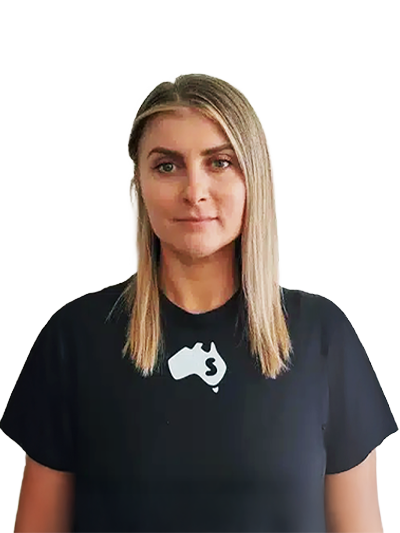
Sarah
I’ll listen to your Zoho needs to understand your business challenges and goals, ensuring a tailored approach.
I’ll bring a certified Zoho engineer to our first consultation to explore solutions and clarify your requirements.
We’ll deliver your free project plan quotation, detailing the steps, timeline, and costs—up to this point, it’s completely free!
“My mission is to solve your key problems, build your trust in our capabilities and deliver exceptional value for money.”