

Why Zoho One Partners Replace Complex Tech Stacks

Your tech stack has evolved organically over the years. CRM from one vendor, accounting from another, project management from a third, marketing automation from a fourth. Each tool seemed like the right choice at the time.

Now you’re drowning in subscriptions, wrestling with integrations that break constantly, and watching your team waste hours moving data between systems that refuse to talk properly.

Sound familiar?

This is exactly why Zoho One partners exist. They help businesses replace fragmented, expensive, complicated tech stacks with unified systems that actually work together.

Let’s talk about why consolidation wins and how Zoho One partners make it happen without the chaos you’re probably imagining.

The Tech Stack Creep Problem

Here’s how most businesses end up with overly complex tech stacks. Someone needs CRM, so you get Salesforce. Marketing wants automation, so you add HubSpot. Finance needs better accounting, so Xero comes in. Projects are chaotic, so you get Asana. Customer support is struggling, so Zendesk gets added.

Each decision makes sense individually. Each tool solves a real problem. But collectively, they create a bigger problem than any single one solved.

You’re paying for overlapping functionality across multiple platforms. You’re managing separate logins, separate training, separate support relationships. You’re building and maintaining fragile integrations that break whenever any vendor updates their API. You’re dealing with data inconsistencies because information exists in multiple places with no single source of truth.

Your tech stack has become a liability masquerading as capability.

What Zoho One Actually Offers

Before we talk about why partners matter, let’s clarify what Zoho One actually is.

It’s 45+ integrated applications covering CRM, finance, HR, projects, marketing, support, collaboration, and more. Everything designed to work together natively rather than requiring complex integrations. One login, one interface philosophy, one unified platform.

You get CRM, email marketing, accounting, inventory management, project management, help desk, internal communication, document management, recruitment, expense tracking, and honestly too many other capabilities to list without boring you senseless.

For one price per user. Currently more affordable than most businesses’ existing tech stack costs for far fewer capabilities.

The catch? Implementing Zoho One properly requires expertise most businesses don’t have internally. Which is exactly where Zoho One partners come in.

Why Partners Matter for Zoho One Migration

Moving from a complex tech stack to Zoho One isn’t just technical migration. It’s business transformation.

You’re not simply swapping tools. You’re rethinking workflows, consolidating data, redesigning processes, and changing how teams work. This requires strategic thinking, deep technical knowledge, and proven experience that most internal teams simply don’t have.

Zoho One partners bring expertise earned through migrating dozens or hundreds of businesses from fragmented stacks to unified platforms. They know which migrations are straightforward and which hide unexpected complexity. They’ve debugged the weird integration issues and data quirks. They understand how to manage organisational change when you’re disrupting established workflows.

Trying to handle Zoho One migration without partner expertise typically results in one of two outcomes. Either you give up halfway through and waste the investment, or you complete migration but end up with a poorly configured system that doesn’t actually deliver the promised benefits.

The Integration Nightmare They Solve

Your current tech stack probably has integrations holding it together. Zapier connections, API links, custom middleware, and possibly some truly horrifying Excel-based data transfers happening manually.

These integrations are fragile. They break when vendors update APIs. They fail silently, causing data inconsistencies you don’t notice until much later. They’re expensive to maintain and impossible to troubleshoot when problems arise.

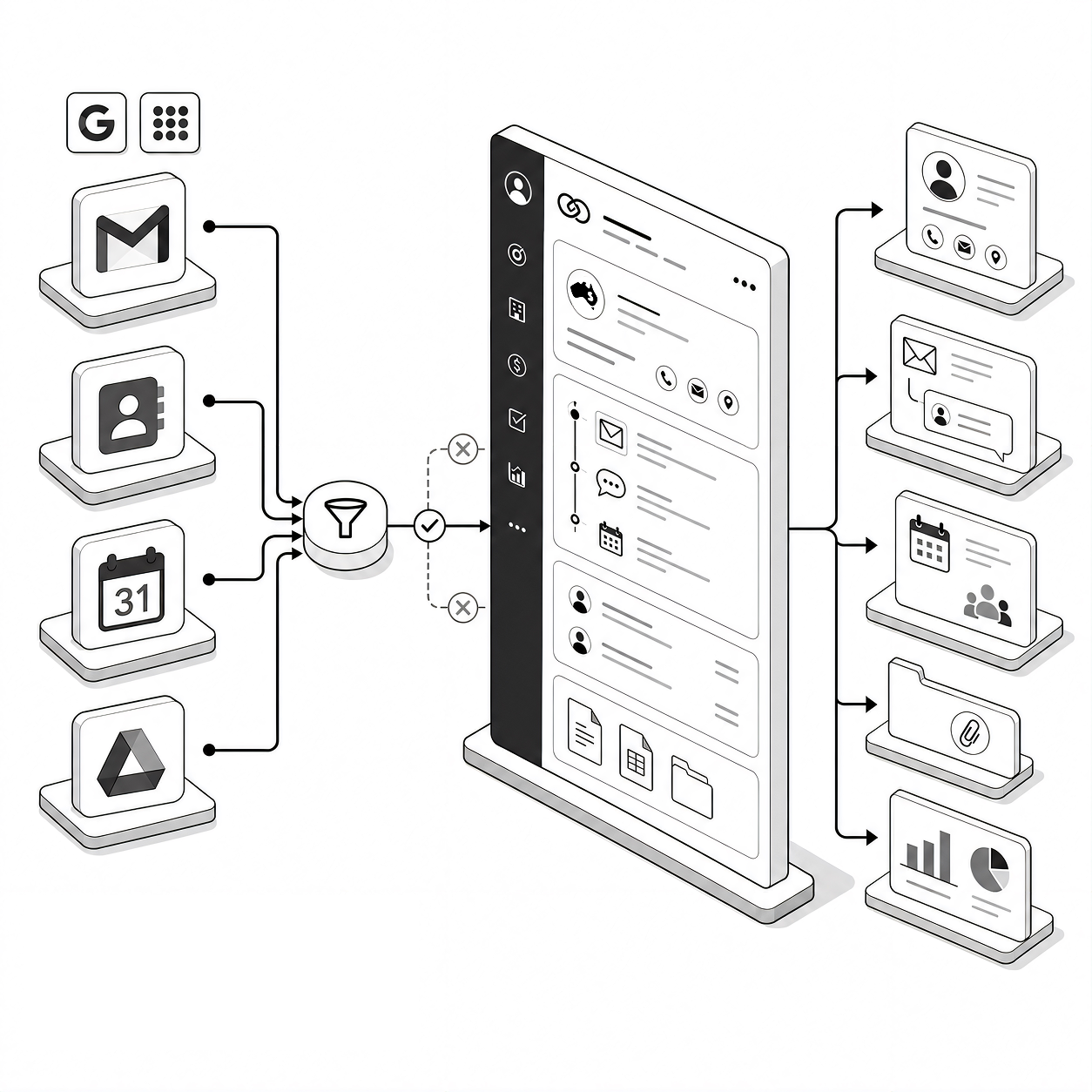
Zoho One partners eliminate most of this integration complexity because Zoho’s applications are built to work together natively. CRM data flows automatically to accounting. Project information updates inventory. Support tickets connect to customer records. Marketing campaigns link to sales pipelines.

Where external integrations are still needed, experienced Zoho One partners build them properly using stable approaches that don’t break constantly.

The reduction in integration overhead alone often justifies partner costs.

Also read: Building Custom Business Apps With A Trusted Zoho Creator Partner

Data Migration Without the Disaster

You’ve accumulated years of business-critical data across your tech stack. Customer histories, financial records, project archives, communication logs. All of it needs to move to Zoho One without loss, corruption, or disruption.

This is where migrations commonly fail spectacularly.

Data across different systems has different structures, formats, and quality levels. You’ve got duplicates, inconsistencies, incomplete records, and the accumulated messiness of years of real business operations. Moving this cleanly requires careful planning, thorough cleansing, and robust validation.

Zoho One partners have proven processes for complex data migrations. They audit your existing data to understand what you’re working with. They design migration strategies that handle your specific challenges. They validate thoroughly before final cutover. They have rollback plans for when things go wrong.

They also manage the human side. Your team needs confidence that critical business data won’t be lost. Partners who’ve done this before know how to build that confidence through transparency and careful communication.

Process Redesign Opportunity

Here’s something most businesses miss when considering Zoho One migration: it’s not just about replacing tools with different tools. It’s an opportunity to redesign processes that were never quite right to begin with.

Your current workflows evolved around the limitations and quirks of your existing tech stack. Some of them are inefficient compromises that only exist because your tools couldn’t do what you actually needed.

Zoho One partners help you rethink these workflows. What should your sales process actually look like when systems work together properly? How should project management and finance integrate? What automation becomes possible when data flows freely between applications?

They bring experience from working with businesses similar to yours. They know what workflows actually work well versus what looks good on paper. They can suggest approaches you haven’t considered because you’ve been constrained by existing tools.

The Training Challenge

Rolling out Zoho One means training your team on multiple new applications simultaneously. CRM, accounting, projects, support, and whichever other modules you’re implementing.

This is overwhelming if handled poorly. People resist change, especially when it affects multiple aspects of their daily work at once.

Experienced Zoho One partners design training that makes adoption manageable. They prioritise which applications get rolled out when. They create role-specific training so people learn what they need without being overwhelmed by everything else. They provide documentation and ongoing support that makes getting help easy.

They also identify champions within your team who can support their colleagues, multiplying training effectiveness.

Without partner expertise, training becomes the bottleneck where Zoho One migrations stall.

Australian Business Context

Australian businesses have specific requirements that generic Zoho One implementation doesn’t address.

You need GST handled properly in accounting and invoicing. Your financial reporting needs to align with Australian financial years and BAS requirements. You’re integrating with Australian banking systems, payment gateways, and potentially government reporting platforms.

Local Zoho One partners understand this context intimately. They’ve configured Zoho for Australian tax compliance dozens of times. They know which approaches work smoothly with Australian accounting standards. They’re familiar with local integrations and third-party tools.

International partners can learn Australian requirements, but local partners already know them. That knowledge saves time, prevents mistakes, and ensures your implementation actually works within Australian business context.

Cost Comparison: Stack vs Zoho One

Let’s get specific about what you’re actually spending on your current tech stack versus what Zoho One with partner implementation costs.

Current fragmented stack: CRM subscription ($100+ per user monthly), marketing automation ($500+ monthly), accounting software ($50+ per user monthly), project management ($20+ per user monthly), support platform ($50+ per user monthly), integration tools ($200+ monthly), various other subscriptions. For a 10-person team, you’re easily spending $3,000-5,000+ monthly on subscriptions alone. That’s $36,000-60,000+ annually before counting implementation costs, integration maintenance, or staff time managing multiple systems.

Zoho One approach: Zoho One runs approximately $45-65 per user monthly depending on plan (substantially less than fragmented stack costs). For 10 users, roughly $6,000-8,000 annually in subscription costs. Partner implementation with Smartmates at $99 per hour plus GST initially might require 80-150 hours depending on complexity, adding $8,000-15,000 plus GST for migration. Year one total: roughly $14,000-23,000 plus GST. Year two onwards: just subscription costs.

The financial case is compelling even before counting reduced integration overhead, improved efficiency, and eliminated data inconsistency problems.

The Consolidation Process

What does migrating from a complex tech stack to Zoho One actually look like in practice?

It starts with thorough discovery. What applications are you currently using? What workflows do they support? What data exists where? What integrations connect them? What pain points are driving the desire to consolidate?

Then comes strategic planning. Which Zoho applications replace which current tools? How should data migrate? What workflows need redesign? What training is required? What’s the rollout sequence that minimises disruption?

Implementation happens in phases. Usually core applications like CRM and accounting first, then additional modules progressively. This staged approach manages risk and prevents overwhelming your team.

Testing validates that everything works before you cut over completely. Data accuracy, workflow functionality, integration reliability, performance under realistic load.

Training gets your team productive on new systems. Then go-live happens with careful monitoring to catch and address issues quickly.

Throughout, experienced Zoho One partners guide the process based on proven methodology rather than figuring it out as you go.

Common Migration Challenges

Let’s be honest about what makes Zoho One migrations difficult so you know what you’re getting into.

Organisational resistance hits when established workflows change. People are comfortable with current tools even if they’re inefficient. Change creates anxiety. Partners experienced with migration help you manage this human challenge, not just the technical one.

Data quality issues emerge during migration. Your existing data has problems you haven’t noticed. Duplicates, inconsistencies, missing information. These need addressing as part of migration or they’ll undermine your new system.

Workflow redesign decisions require careful thought. How should processes work when tools actually integrate properly? These decisions have long-term impact and benefit from experienced guidance.

Training capacity limits mean you can’t roll out everything simultaneously. Sequencing matters. Partners help you prioritise and pace implementation appropriately.

Integration complexity for systems you’re keeping creates technical challenges. Connecting Zoho One to industry-specific tools or legacy platforms requires expertise.

Knowing these challenges exist and having partner expertise to navigate them makes the difference between successful migration and expensive failure.

When Zoho One Isn’t the Answer

Let’s be balanced. Zoho One isn’t right for every business, and honest Zoho One partners acknowledge this.

If you need extremely specialised industry software that Zoho doesn’t offer, maintaining those tools and integrating them with Zoho might make more sense than forcing everything into Zoho.

If you’re heavily invested in a different ecosystem with substantial customisation already built, migration costs might not justify the benefits.

If your team is extremely resistant to change and consolidation would create more disruption than fragmentation currently causes, timing might not be right.

Good partners assess whether Zoho One actually fits your situation rather than selling it regardless of suitability.

The Smartmates Zoho One Approach

We’ve migrated dozens of Australian businesses from complex tech stacks to Zoho One, and we’ve developed a methodology that minimises disruption while maximising results.

We start with honest assessment. Is Zoho One right for your business? Will consolidation actually improve things or just create different problems? We’d rather tell you consolidation doesn’t make sense than complete a migration you’ll regret.

Our migration process is thoroughly planned before any changes happen. We map existing systems, design target architecture, plan data migration, sequence implementation, and prepare training. Proper planning prevents most problems.

We implement in manageable phases. Not everything at once, but staged rollout that lets teams adapt progressively. Core systems first, then additional capability as teams get comfortable.

We’re Australian-based, understanding local requirements intimately. GST handling, BAS compliance, Australian system integrations, all configured properly from the start without requiring special research.

And we stick around after migration. Systems need optimisation as you learn what works well. Teams need ongoing support as they discover capabilities. We’re partners through the transition and beyond.

Transform Complexity Into Clarity

The difference between a fragmented tech stack and unified platform is dramatic. Fragmentation means constant context switching, data inconsistencies, integration failures, and wasted time. Unity means seamless workflows, single source of truth, reliable automation, and efficiency.

Getting from fragmented to unified requires expertise. Not just technical capability but strategic thinking about how consolidation actually serves your business. Experience with migration challenges that only become obvious when you’re in the middle of them. Understanding of change management when you’re disrupting established patterns.

Zoho One partners bring this expertise. They turn consolidation from overwhelming project into manageable transformation. They help you replace expensive complexity with affordable clarity.

Your business deserves systems that work together rather than against each other. That means either accepting permanent fragmentation or investing in proper consolidation with expert guidance.

Book Your Free Planning Session

Book a complimentary planning session with Smartmates to discuss whether Zoho One consolidation makes sense for your business and explore a free Zoho trial. We’ll assess your current tech stack honestly, explain what migration would actually involve, and give you straight advice about whether consolidation serves your situation or not.

Request a Callback from Smartmates

Sarah the sales engineer

Sarah

Senior Sales Engineer
  • I’ll listen to your Zoho needs to understand your business challenges and goals, ensuring a tailored approach.

  • I’ll bring a certified Zoho engineer to our first consultation to explore solutions and clarify your requirements.

  • We’ll deliver your free project plan quotation, detailing the steps, timeline, and costs—up to this point, it’s completely free!

“My mission is to solve your key problems, build your trust in our capabilities and deliver exceptional value for money.”

Fill in your details and

we’ll contact you fast.

Fill in your details and

we’ll contact you fast.