What A Zoho CRM Expert Sees That Most Teams Miss

You’ve been using Zoho CRM for months, maybe years. Your team logs activities, tracks deals, and runs the occasional report. Everything seems fine. The system works. People use it. Job done, right?
Wrong.
Here’s what you probably don’t realise: you’re using about 20% of what Zoho CRM can actually do for your business. The other 80%? It’s sitting there, untapped, waiting to transform your sales operations, supercharge your efficiency, and give you competitive advantages you didn’t even know were possible.
How do we know? Because every time a Zoho CRM expert audits an existing implementation, they find the same patterns. Massive opportunities hiding in plain sight. Revenue being left on the table. Inefficiencies that could be eliminated with simple configuration changes. Automation possibilities that nobody’s even considered.
It’s not your fault. Zoho CRM is deceptively simple on the surface but incredibly deep underneath. You can use it at a basic level without ever discovering the powerful capabilities buried in the platform. It’s like owning a sports car and only ever driving it in first gear because you didn’t realise there were five more gears available.
The difference between how most teams use Zoho CRM and how experts configure it is staggering. And that difference directly impacts revenue, efficiency, and growth potential.
Let’s pull back the curtain and show you exactly what Zoho CRM experts see when they look at your system that you’re probably missing entirely.
The Data Quality Disaster You Don’t See
Walk into any business using Zoho CRM and ask to see their data. Nine times out of ten, a Zoho CRM expert will immediately spot problems that the internal team has become completely blind to.
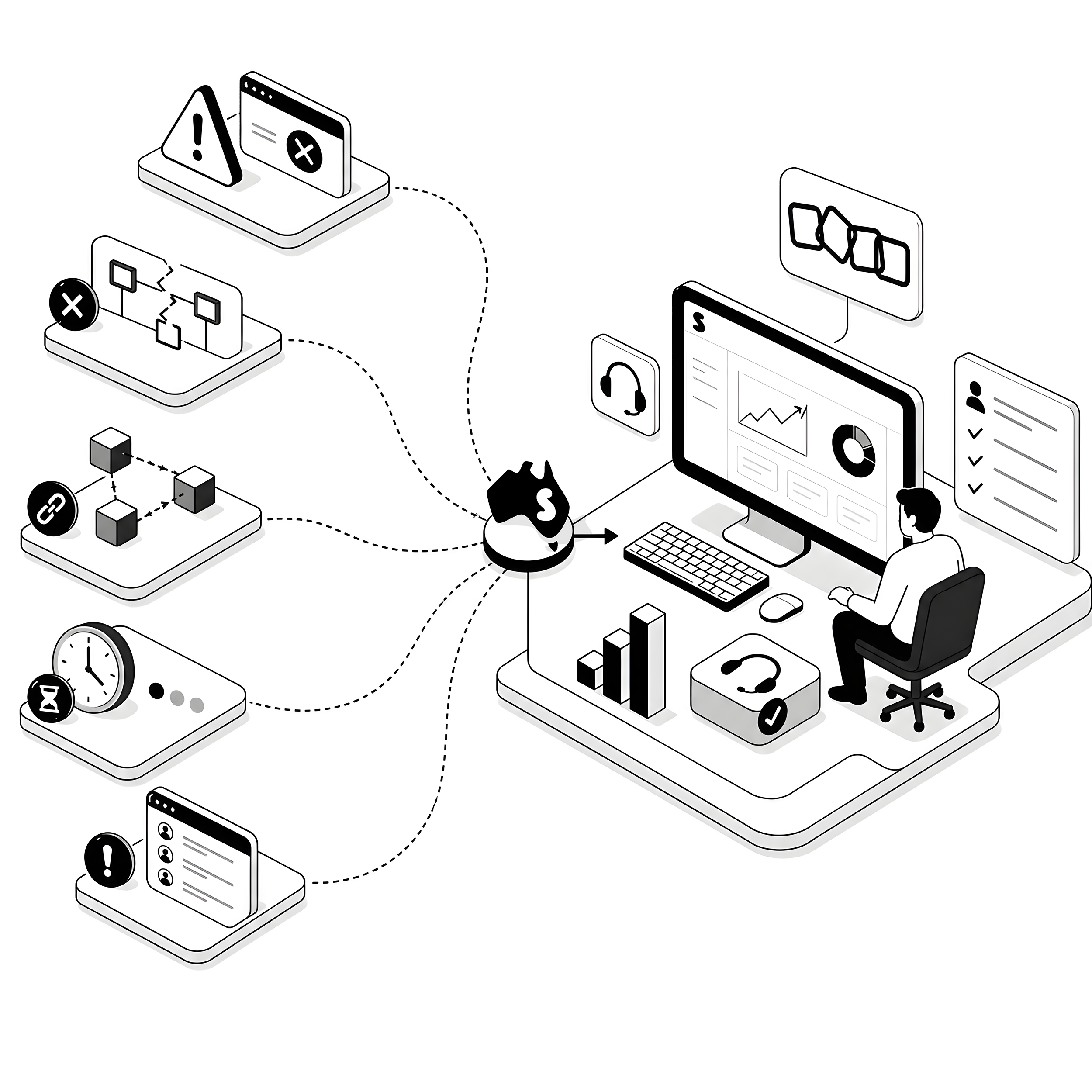
Duplicate records are everywhere. The same customer exists three times under slightly different names. Contact information is scattered across multiple records. Nobody’s sure which one is correct, so everyone picks randomly. This isn’t just messy; it’s actively damaging your business.
Why does this matter? Because your sales rep might call the same prospect twice without realising it. Your marketing campaigns might send duplicate emails, making you look unprofessional. Your reporting is inaccurate because one customer counts as three in your metrics.
Missing critical information creates blind spots. Half your contact records don’t have phone numbers. Email addresses are incomplete. Company information is vague or absent. Industries aren’t tagged properly. This incomplete data means you can’t segment properly, can’t target effectively, and can’t understand your customer base clearly.
Inconsistent data entry undermines everything. One rep enters “Sydney” while another uses “Sydney, NSW” and a third uses “NSW”. Product names vary. Company names have different formats. This inconsistency makes analysis impossible and automation unreliable.
Outdated information lingers forever. Contact details from three years ago. People who’ve changed jobs but are still listed at their old companies. Deals that should be marked as lost but sit in your pipeline making forecasts meaningless.
A Zoho CRM expert sees this immediately and knows it’s costing you money every single day. They also know exactly how to fix it systematically and prevent it from happening again through validation rules, automation, and proper data governance.
Most teams? They’ve just accepted this chaos as normal.
The Automation Gold Mine Nobody’s Touched
Here’s where it gets really interesting. Most Zoho CRM implementations use maybe three or four basic automation rules. A Zoho CRM expert will identify 20 to 30 automation opportunities within the first hour of auditing your system.
Lead assignment happens manually. Someone receives a lead notification, decides who should handle it, and manually assigns it. This takes time, creates delays, and depends on someone’s availability and judgment. An expert sees this and immediately configures rules that assign leads automatically based on territory, product interest, company size, or lead source. Instant assignment. Perfect accuracy. Zero delays.
Follow-ups depend on memory. Sales reps are supposed to follow up with prospects at certain intervals, but whether it actually happens depends on their memory and discipline. Experts see this and build workflows that automatically create follow-up tasks, send reminder emails, and even escalate if actions aren’t taken. Nothing falls through the cracks anymore.
Status updates require manual work. When a deal reaches a certain stage, someone has to remember to notify other departments, update fields, or trigger next steps. Experts automate all of this. Deal moves to “proposal sent”? Automatically notify delivery team, create onboarding tasks, and schedule follow-up call. No manual intervention required.
Data enrichment happens never. When new leads come in, they contain minimal information. Most teams just accept this. Experts set up automation that enriches records automatically: looking up company information, scoring leads based on criteria, identifying potential deal size, and flagging high-value opportunities immediately.
Reporting happens manually. Someone spends hours each week compiling reports from the system. Experts automate this entirely. Reports generate automatically on schedule, distribute to appropriate people, and highlight what matters without anyone touching them.
The difference between a manually-operated CRM and a properly automated one is like the difference between washing clothes by hand versus using a washing machine. Both get the job done eventually, but one is dramatically more efficient.
The Pipeline Visibility Gap That Costs Deals
Most teams look at their pipeline and think they understand what’s happening. A Zoho CRM expert looks at the same pipeline and sees a completely different picture.
Deal stages don’t reflect reality. Many implementations use Zoho’s default stages or generic stages that don’t match how the business actually sells. An expert immediately designs stages that reflect your specific sales process with clear entry and exit criteria. This transforms pipeline accuracy overnight.
Win probability is guesswork. Teams assign probability percentages to deals based on feelings rather than data. Experts analyse historical patterns to determine what different stages and deal characteristics actually predict about close rates, then configure the system to calculate probability statistically.
Stalled deals hide in plain sight. Deals that haven’t progressed in 30 days sit in the pipeline being counted toward forecasts. Experts configure alerts that flag stalled deals automatically, prompting action or removal before they distort planning.
Deal velocity is invisible. How long does it actually take to close deals? Where do they get stuck? What activities accelerate progression? Most teams have no idea. Experts build reporting that makes deal velocity crystal clear, revealing exactly where the sales process needs improvement.
Pipeline coverage gaps remain hidden. Whether you have enough pipeline to hit targets isn’t obvious without proper analysis. Experts build dashboards that show pipeline coverage by rep, by product, by region, and by time period. Gaps become visible before they become crises.
Historical patterns go unanalysed. Your closed deals contain valuable intelligence about what works and what doesn’t. Experts mine this historical data to identify patterns: which lead sources close best, what deal sizes are most common, which sales activities correlate with wins. This intelligence informs better strategy.
The pipeline visibility that experts create isn’t just prettier reporting. It’s strategic intelligence that directly impacts revenue.
The Integration Opportunities Being Ignored
Most Zoho CRM implementations exist in isolation. Data lives in CRM, and also in accounting software, and marketing automation, and project management tools, and customer service platforms. Moving information between these systems? That’s someone’s manual job.
A Zoho CRM expert sees this disconnection immediately and knows exactly what integration could unlock.
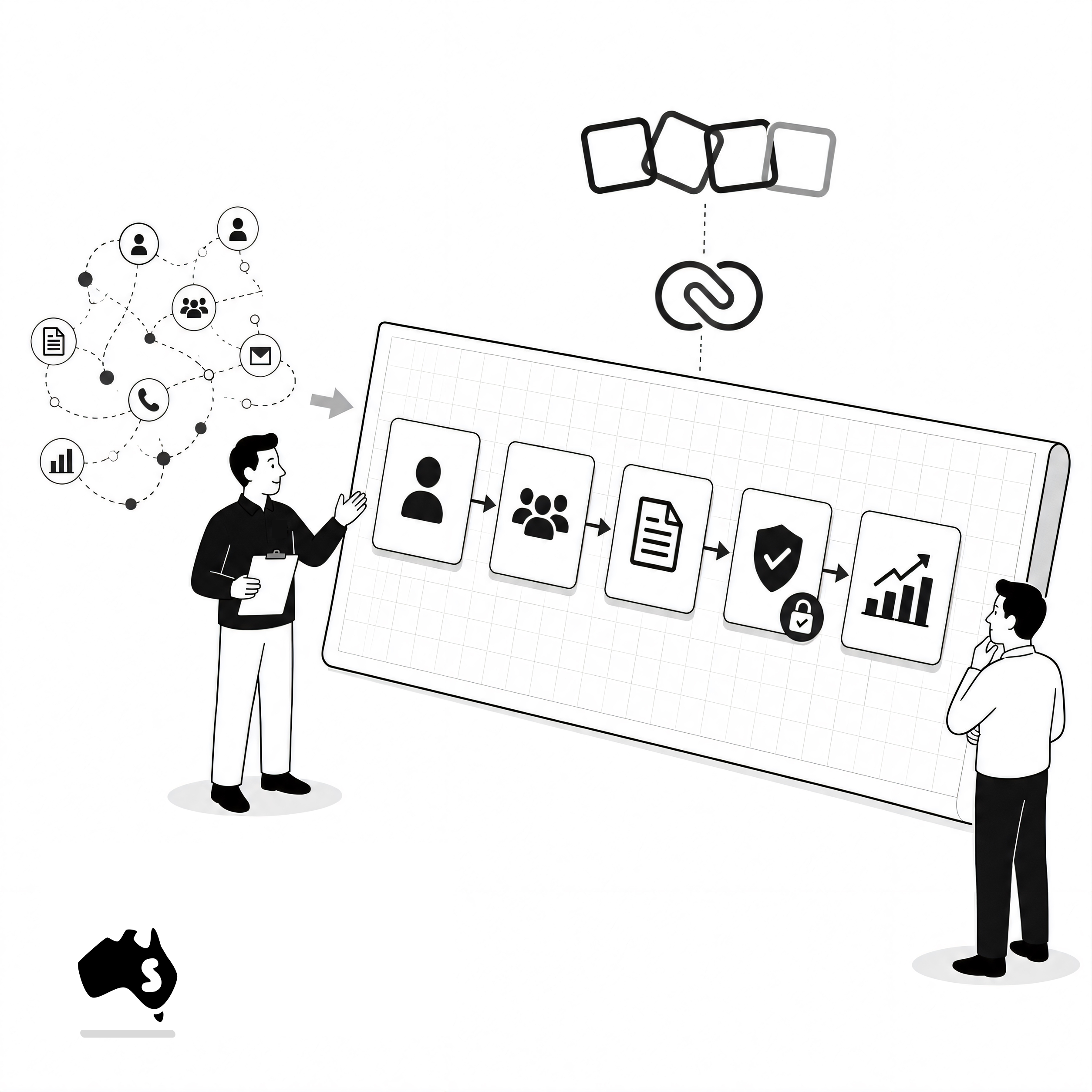
Marketing to sales handoff is broken. Marketing generates leads in their automation platform. Someone exports a CSV, imports it into CRM, and manually updates fields. Experts connect these systems directly. Leads flow automatically with complete engagement history. No exports. No imports. No delays.
Quote to invoice requires recreation. Sales creates a quote in CRM. When it closes, someone manually recreates the same information in accounting software to generate an invoice. Experts integrate these systems so invoices generate automatically from CRM data. Hours of work become seconds of automation.
Support tickets exist separately. Customer service uses a different platform. Sales reps can’t see support history when talking to customers. Support can’t see sales context when handling issues. Experts integrate these systems bidirectionally. Complete customer view becomes reality.
Project handoff loses information. Sales closes a deal. Someone manually creates project records in project management software, often missing critical details or requirements. Experts automate this handoff. Project records create automatically with all necessary information transferred perfectly.

Financial data stays siloed. CRM contains revenue projections. Accounting holds actual financials. Comparing forecast to reality requires manual reconciliation. Experts integrate these systems so financial actuals flow back into CRM automatically. Real-time forecast accuracy becomes possible.
Integration transforms Zoho CRM from a standalone tool into the nerve centre of your entire business operation. Most teams never realise this is even possible.
The Reporting Blindspots That Hide Truth
Most teams run basic reports from Zoho CRM: deal pipeline, sales by rep, activity logs. They think they understand their business. A Zoho CRM expert looks at these same reports and sees massive gaps in intelligence.
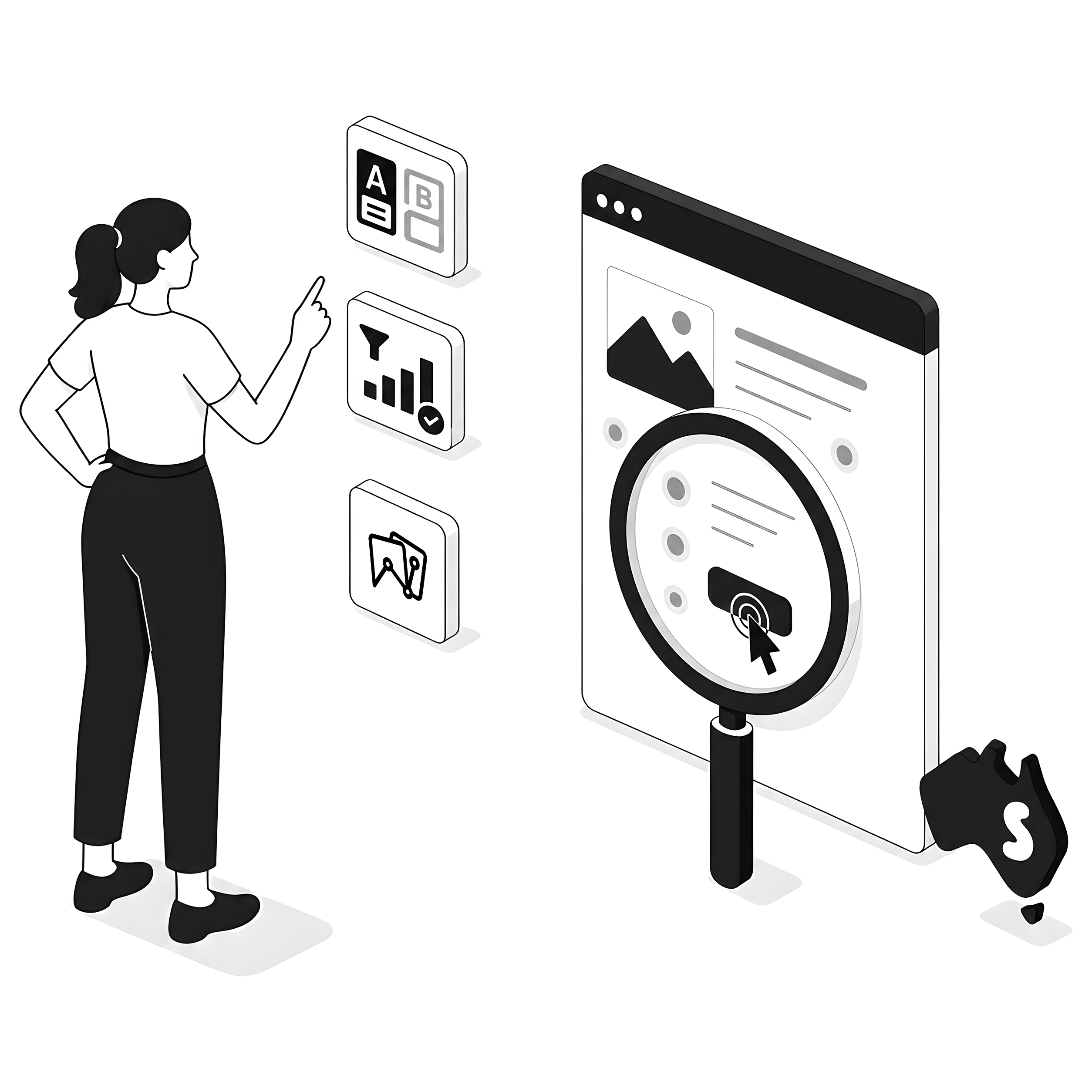
Activity doesn’t equal results. Standard reports show how many calls reps made, how many emails they sent, how many meetings they held. But none of this reveals whether these activities actually drive deals forward. Experts build reports that correlate activities with outcomes, showing which actions actually matter.
Revenue obscures profitability. Sales reports show revenue by product, by customer, by region. But revenue isn’t profit. Some deals are highly profitable; others barely break even. Experts integrate cost data and build profitability reporting that reveals what’s truly valuable to chase.
Averages hide important patterns. Average deal size, average close rate, average sales cycle. These averages obscure the fact that different customer segments, products, or sales approaches perform very differently. Experts build segmented analysis that reveals these patterns.
Leading indicators are missing. Standard reports show what already happened. Experts build predictive reporting based on leading indicators: pipeline coverage trends, activity patterns, win rate changes. These early warnings enable proactive management instead of reactive firefighting.
Trends aren’t visible. Is performance improving or declining? Are certain issues getting worse? Without trend analysis, you can’t see direction. Experts build dashboards that show trends clearly, making patterns obvious that would otherwise remain hidden.
Context is absent. Numbers without context mislead. “Sales are down 15%” means something very different if you’re comparing to last month versus same month last year, or if industry trends are considered. Experts ensure reporting includes appropriate context.
The reporting that Zoho CRM experts build doesn’t just look better. It reveals truth that standard reports obscure.
The Customisation Possibilities Nobody Considered
Zoho CRM is incredibly flexible, but most teams use it exactly as it comes out of the box. A Zoho CRM expert sees endless customisation opportunities that transform how the system supports your specific business.
Custom modules solve unique needs. Your business tracks things that don’t fit neatly into standard CRM modules. Most teams force this information into notes or custom fields where it’s not usable. Experts build custom modules designed specifically for your unique tracking needs.
Page layouts match roles. Sales reps, managers, and executives all see the same screens with the same fields, most of which aren’t relevant to their role. Experts create role-specific layouts showing each user only what matters to them. Usability improves dramatically.
Validation ensures quality. Teams hope people enter data correctly, but hope isn’t a strategy. Experts implement validation rules that enforce data quality automatically: required fields, format checking, logical validation. Bad data becomes impossible to save.
Custom functions enable unique logic. Sometimes your business logic is too complex for standard automation. Experts write custom functions that implement exactly the logic your business requires, however sophisticated.
Blueprints guide complex processes. For sales processes with multiple stages, decision points, and required actions, standard automation isn’t sufficient. Experts implement Blueprints that guide reps through complex processes step by step, ensuring nothing is missed.
Mobile configurations optimise field work. Sales reps working in the field need different access than office-based users. Experts configure mobile experiences optimised for how field teams actually work.
Customisation isn’t about making Zoho CRM complicated. It’s about making it fit your business perfectly instead of forcing your business to adapt to generic software.
The Security And Governance Gaps That Create Risk
Most teams give everyone access to everything in Zoho CRM. A Zoho CRM expert immediately sees the security and governance risks this creates.
Over-permissioning exposes sensitive data. Every user can see every deal, every customer, all financial information. This isn’t just a security risk; it’s a competitive intelligence leak if employees leave. Experts implement role-based permissions ensuring people see only what they need.
Audit trails don’t exist. When data changes or deals are modified, nobody knows who did it or why. This creates accountability problems and makes troubleshooting impossible. Experts enable comprehensive audit logging.
Data ownership is unclear. Who’s responsible for maintaining customer information? Who ensures data quality? Without clear ownership, nobody’s accountable and quality degrades. Experts establish data governance with clear responsibilities.
Export controls are absent. Anyone can export your entire customer database to CSV. When people leave, they take your data with them. Experts implement export controls that protect sensitive information.
Change management doesn’t exist. People modify critical fields or workflows without documenting why. Six months later, nobody remembers why things work a certain way. Experts implement change management processes ensuring modifications are documented and controlled.
Compliance requirements are ignored. Depending on your industry, you might have regulatory requirements around customer data handling, record retention, or audit capabilities. Experts ensure CRM configuration meets these requirements.

These governance capabilities don’t just reduce risk. They also improve trust in the system and data quality over time.
The Training Investment That Never Happened
Here’s an uncomfortable truth: most teams received minimal training when Zoho CRM was first implemented and nothing since. A Zoho CRM expert sees the impact of this training deficit immediately.
People use 10% of available features. They know how to log basic activities and update deal stages. Everything else? They’ve never explored it because they don’t know it exists.
Workarounds replace proper usage. When people don’t know how to use features properly, they create elaborate workarounds. These workarounds are often more complicated than using the system correctly would be.


Fear prevents exploration. People are afraid to click things they don’t understand, worried they’ll break something or make mistakes. This fear keeps them in their tiny comfort zone, never discovering powerful capabilities.
Best practices aren’t known. There are proven approaches to CRM usage that drive better results. Most users never learn these because nobody taught them.
System capabilities evolve unnoticed. Zoho regularly adds new features and capabilities. Teams using CRM daily often have no idea these new tools exist.
Experts don’t just configure systems; they ensure teams know how to use them effectively. Comprehensive training transforms adoption and value realisation.
The Strategic Thinking That’s Missing
Perhaps the biggest difference between how most teams use Zoho CRM and how experts approach it is strategic thinking.
CRM is seen as a tool, not a strategy. Most teams think of CRM as software for tracking customer interactions. Experts see it as strategic infrastructure that should drive competitive advantage.
Configuration is tactical, not strategic. Teams configure features they think they need. Experts design systems that support long-term strategic objectives and create capabilities competitors don’t have.
Metrics focus on activity, not outcomes. Standard metrics count calls and meetings. Strategic metrics measure impact on revenue, efficiency, and customer value.
Implementation is project-based. Teams implement CRM once then consider it done. Experts see CRM as continuously evolving capability that should improve constantly.
Isolation instead of integration. CRM exists separately from other systems. Experts see CRM as the hub connecting your entire business ecosystem.
This strategic perspective transforms CRM from useful tool into competitive weapon.
Why Australian Businesses Choose Local Zoho CRM Experts
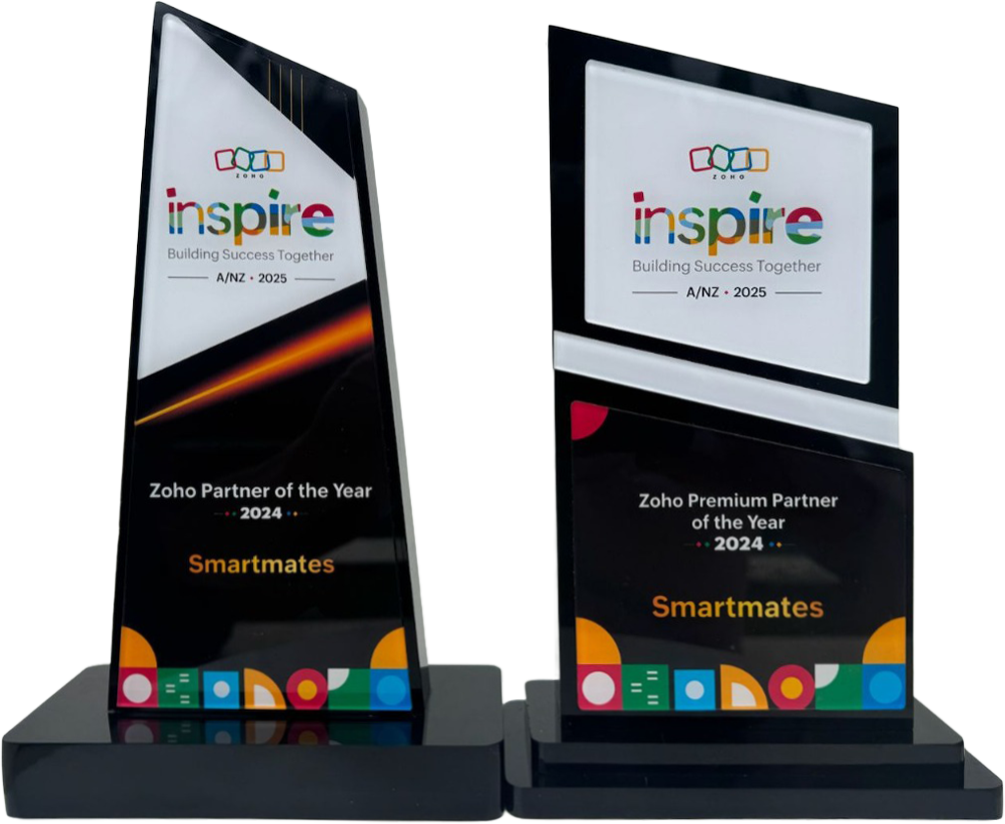
Working with Australian-based Zoho CRM experts like Smartmates provides distinct advantages.
They understand the local market. Australian business practices, customer expectations, and competitive dynamics shape what CRM capabilities matter most.
Timezone alignment enables real collaboration. Complex CRM optimisation requires back-and-forth discussion. Same timezone means efficient collaboration.
Regulatory knowledge is built in. Australian privacy laws and industry regulations inform how CRM should be configured.
Industry connections add value. Local experts often know the other systems Australian businesses use, making integration smoother.
Face-to-face options exist. Sometimes complex discussions benefit from in-person workshops, practical when you’re in the same country.
These advantages make local expertise strategically valuable, not just convenient.
The Smartmates Difference
At Smartmates, we’ve audited hundreds of Zoho CRM implementations. We’ve seen the patterns. We know what teams miss. And we’ve developed proven approaches to unlocking the value hiding in your system.
We don’t just point out problems. We fix them systematically, transforming your CRM from basic tool into strategic asset. Our experts bring deep Zoho knowledge, business thinking, and genuine commitment to your success.
Conclusion: Transform Your CRM From Good To Great
Your Zoho CRM is probably working fine. But fine isn’t great. And in competitive markets, great beats fine every time.
The opportunities hiding in your system, the automation possibilities you haven’t considered, the insights your data could provide, the efficiencies waiting to be unlocked – they’re all there, waiting for someone who knows what to look for.
A Zoho CRM expert doesn’t just see your system differently. They see what your business could become with CRM configured properly. That vision becomes competitive advantage.
Connect with Smartmates today and discover what a Zoho CRM expert can see in your system that you’ve been missing. Because good enough isn’t good enough anymore. You deserve great.
Also read: Zoho CRM Implementation Partners For Complex Sales Models
Request a Callback from Smartmates

Sarah
I’ll listen to your HubSpot needs to understand your business challenges and goals, ensuring a tailored approach.
I’ll bring our engineer onto our first consultation to explore solutions and clarify your requirements.
We’ll deliver your free project plan quotation, detailing the steps, timeline, and costs—up to this point, it’s completely free!
“My mission is to solve your key problems, build your trust in our capabilities and deliver exceptional value for money.”