

Zoho Integration Partners That Simplify Complex Systems

Here’s a scenario you’ll probably recognise: your business runs on half a dozen different software systems, and none of them talk to each other properly.
Customer data lives in your CRM. Financial information sits in your accounting software. Project details exist in your project management tool. Marketing activities track in your automation platform. Support tickets accumulate in your helpdesk system. Inventory data hides in your warehouse management software.
And connecting all these pieces? That’s your team’s job, apparently. Through manual data entry, CSV exports and imports, copy-and-paste marathons, and endless reconciliation sessions that eat entire days while producing questionable accuracy.
This isn’t just annoying. It’s expensive, error-prone, and fundamentally unsustainable. Every disconnected system is a source of duplicated effort, inconsistent data, delayed decisions, and frustrated employees who signed up to do meaningful work, not serve as human data conduits between software.
The promise of integration is seductive: systems that communicate seamlessly, data that flows automatically, operations that work together rather than against each other. But here’s the uncomfortable reality: integration is complicated. Really complicated. And attempting it without expert help usually ends in disappointment.
That’s precisely what Zoho integration partners do. They take complex, disconnected systems and weave them into unified operations where information flows seamlessly and technology actually enables efficiency rather than creating work.
Let’s explore why integration matters so much and how the right partners transform complexity into clarity.
The Cost Of Disconnected Systems: Why Integration Matters
Before diving into solutions, let’s understand exactly what disconnected systems are costing your business.
Manual data transfer wastes enormous time. When information has to move between systems manually, someone has to do that work. Add up all the data entry, all the exports and imports, all the copy-and-paste operations across your organisation. You’re probably looking at hundreds of hours monthly.
Errors compound across systems. Humans make mistakes when doing repetitive data entry. A typo in one system propagates to others. Incorrect information gets acted upon. Problems compound. The error rate in manually transferred data is often 5 to 10 percent or higher.
Decision-making delays become dangerous. When data lives in silos, getting a complete picture requires manual compilation. By the time you’ve pulled reports from six different systems and reconciled the inconsistencies, the information is already outdated. Real-time decision-making becomes impossible.
Customer experience suffers visibly. When sales, marketing, support, and delivery teams all work in different systems with different data, customers experience inconsistency. One department doesn’t know what another promised. Context gets lost. Professional service becomes fragmented service.
Scalability hits walls quickly. As business grows, the integration problem multiplies. More transactions, more data, more systems, more manual work required. Eventually, you can’t scale operations because the integration burden becomes overwhelming.
Competitive disadvantage accumulates. While your team is buried in manual integration work, competitors with properly integrated systems are operating more efficiently, responding faster, and making better decisions. The gap widens over time.
Team frustration leads to turnover. Nobody enjoys repetitive data entry. Talented people leave for opportunities where they can do meaningful work rather than serving as human middleware between software systems.
For Australian businesses competing in both local and international markets, these costs represent serious strategic liabilities. Integration isn’t a luxury; it’s a necessity.
What Zoho Integration Partners Actually Do
Let’s clarify what integration partners provide beyond just connecting software together.
Discovery reveals the full integration landscape. Expert partners map your entire technology ecosystem: what systems you use, what data they contain, how information currently moves (or doesn’t), and where integration would deliver the most value.
Architecture design solves complex puzzles. Integration isn’t just about connecting system A to system B. It’s about designing an architecture where data flows logically, dependencies are managed, conflicts are resolved, and the entire ecosystem works coherently.
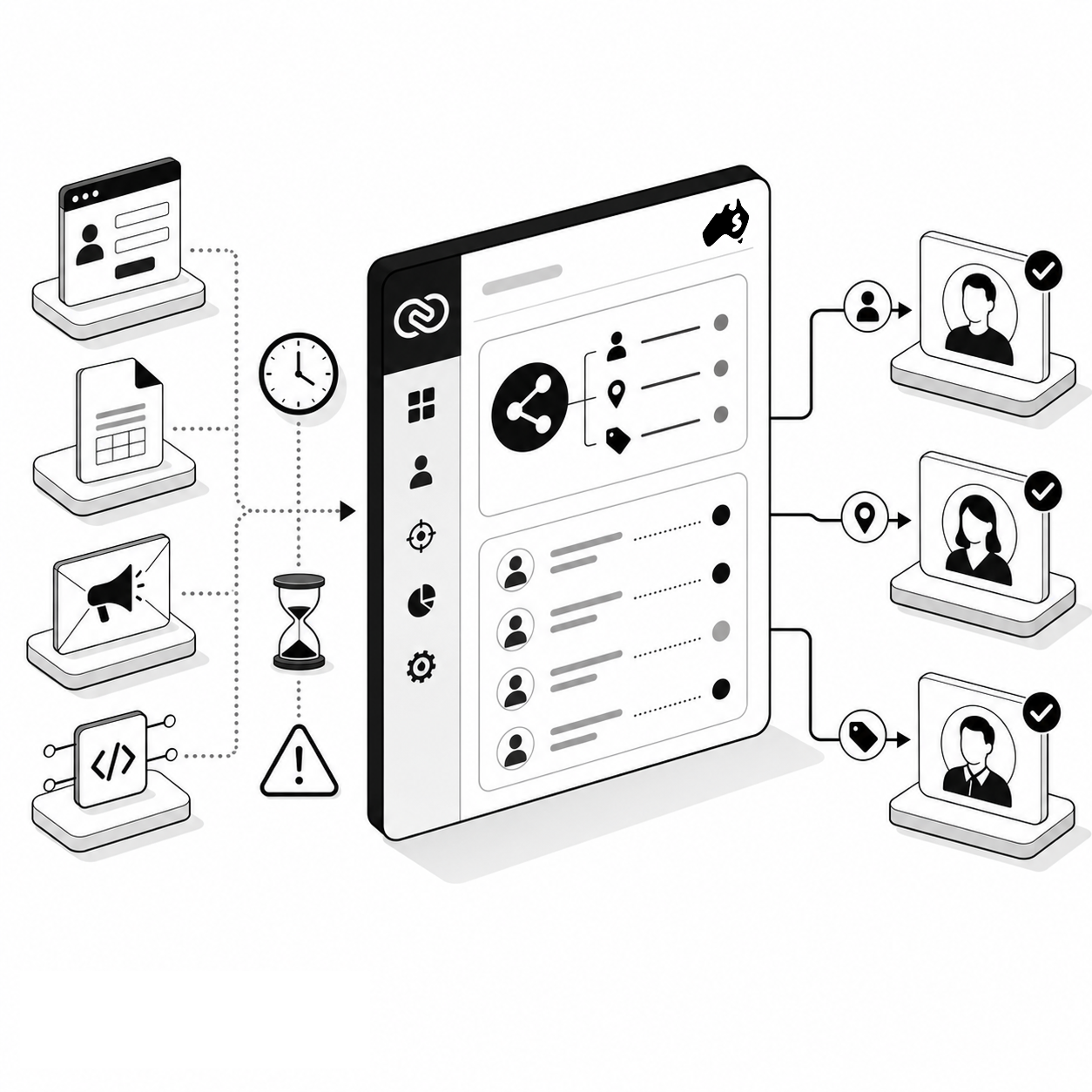
Technical implementation builds the connections. Using APIs, webhooks, middleware platforms, and custom development, integration partners build the actual technical infrastructure that connects your systems and moves data reliably.
Data mapping ensures accuracy. Fields in one system don’t always correspond directly to fields in another. Integration partners map data relationships, transform formats when necessary, and ensure information maintains integrity as it moves between systems.
Error handling prevents disasters. What happens when integration fails? How are errors detected? Who gets notified? How is data protected? Expert partners build robust error handling so integration problems don’t become business crises.
Testing validates reliability. Before integration goes live, partners test thoroughly with realistic data volumes, edge cases, and failure scenarios. You discover and fix problems in testing, not in production.
Documentation enables maintenance. How does integration work? What data flows where? How can it be modified? Proper documentation ensures integration remains maintainable as your business evolves.
Monitoring ensures ongoing reliability. After implementation, integration needs ongoing monitoring. Partners establish monitoring systems that detect issues proactively and alert appropriate people when intervention is needed.
Optimisation improves performance. Initial integration might work but could be faster, more efficient, or more capable. Expert partners continuously optimise based on real-world performance and changing requirements.

This comprehensive approach transforms integration from a technical project into a strategic capability that genuinely simplifies complex systems.
Common Integration Scenarios That Transform Operations
Let’s explore specific integration scenarios where Zoho integration partners deliver enormous value.
CRM to accounting integration eliminates double entry. When deals close in Zoho CRM, customer records, invoices, and payment information flow automatically to your accounting system. When payments are received, CRM updates automatically. No manual transfer. No reconciliation headaches.
Marketing to sales handoff becomes seamless. Leads generated by marketing automation flow into Zoho CRM with complete engagement history. When sales takes actions, marketing sees the results. Attribution tracking reveals which campaigns drive revenue. The eternal marketing-sales friction disappears.
E-commerce to operations integration scales business. Orders placed online create records in CRM, trigger inventory updates, generate picking lists in warehouse systems, initiate shipping processes, and update accounting automatically. Manual order processing becomes unnecessary.
Support to sales integration improves relationships. Support tickets in your helpdesk system connect to CRM accounts and contacts. Sales reps see support history before calls. Support agents see sales context when handling issues. Complete customer view enables better service.
Project management to time tracking integration ensures accuracy. Time logged in project management tools flows to billing systems automatically. Project budgets update in real-time. Resource allocation becomes visible. Project profitability becomes manageable rather than mysterious.
HR to payroll integration reduces admin burden. Employee information, leave requests, time tracking, and performance data flow between HR and payroll systems automatically. Payroll processing becomes faster and more accurate.
Inventory to purchasing integration optimises working capital. When inventory hits reorder points in your warehouse system, purchase orders generate automatically in procurement software and accounting systems. Stock-outs and overstock both become less common.
Analytics to operational systems integration enables intelligence. Data from operational systems flows into analytics platforms automatically. Dashboards update in real-time. Business intelligence becomes current rather than historical.
Each of these scenarios requires careful implementation by Zoho integration partners who understand both the technical challenges and the business requirements.

The Technical Challenges That Make Integration Complex
Integration looks simple in concept but involves significant technical complexity. Understanding these challenges helps you appreciate what expert partners actually do.
API limitations constrain possibilities. Not all systems have comprehensive APIs. Some limit what data can be accessed or modified. Some have rate limits that restrict how frequently you can interact. Integration partners work within these constraints creatively.
Data format inconsistencies require transformation. One system stores dates as DD/MM/YYYY, another as YYYY-MM-DD. One uses different field names or structures. Integration requires transforming data while maintaining accuracy and meaning.
Authentication and security add complexity. Systems use different authentication methods: API keys, OAuth, tokens, credentials. Managing these securely while enabling integration requires careful implementation.
Error scenarios multiply quickly. What if the target system is temporarily unavailable? What if data validation fails? What if records already exist? What if fields are missing required information? Every possible failure scenario needs handling.
Performance considerations become critical. Moving large data volumes can slow systems or hit timeouts. Integration needs to be architected for performance: batching, queuing, and optimisation strategies that maintain speed.
Bi-directional sync creates conflicts. When data can change in multiple systems, conflicts arise. Which system is the source of truth? How are conflicts detected and resolved? Integration partners build logic to handle these scenarios gracefully.


Version changes break integration. When software vendors update their systems, APIs sometimes change. Integration that worked perfectly can suddenly break. Partners build with version awareness and monitoring to detect and fix these issues.
Complex business logic needs implementation. Sometimes data shouldn’t move exactly as-is. Conditional logic, calculations, validations, and transformations all require custom coding that standard integration tools can’t handle.
These technical challenges explain why integration projects attempted without expert help so often fail or deliver disappointing results.
Integration Architecture: Building For Reliability And Scale
Expert Zoho integration partners think architecturally, not just technically. Let’s explore what good architecture looks like.
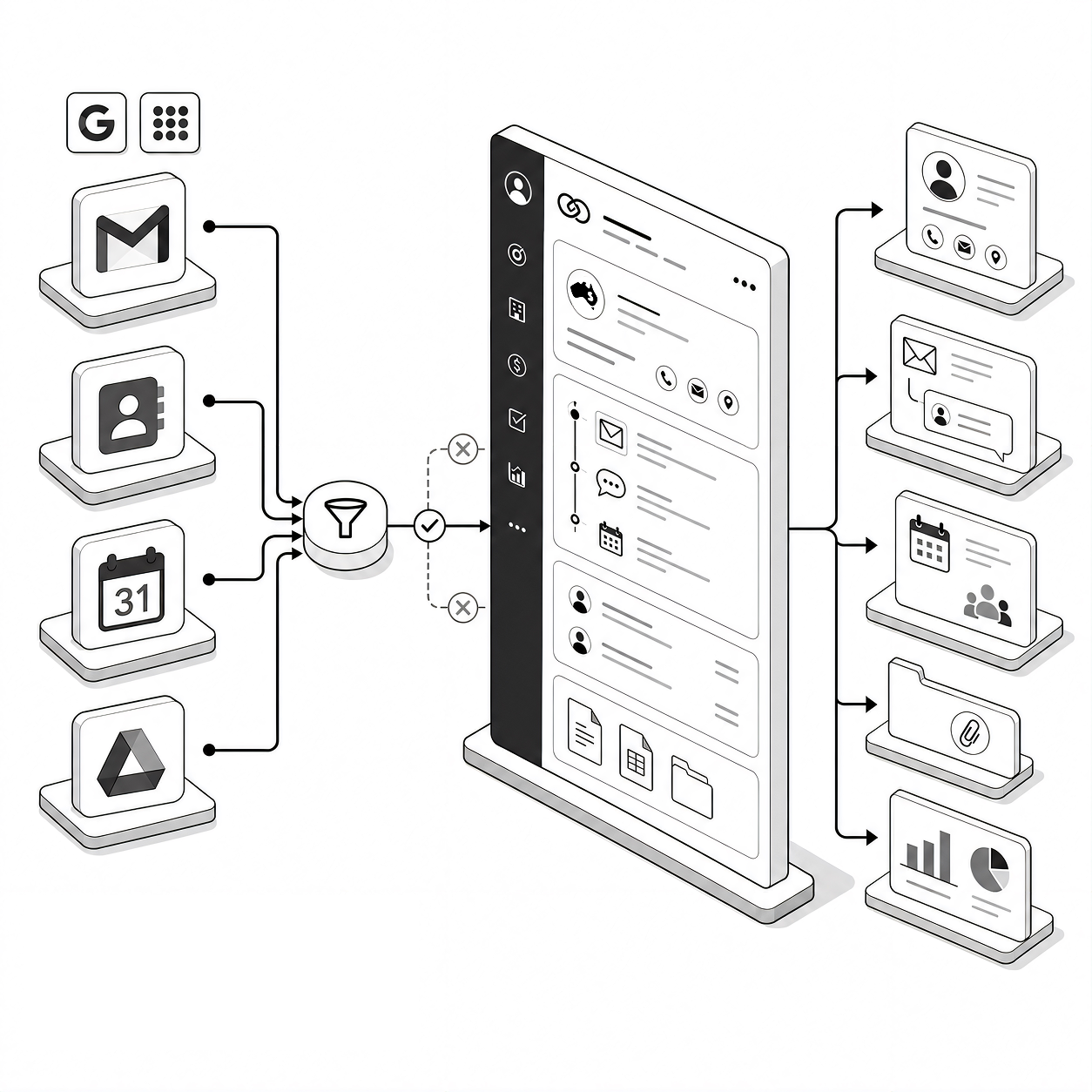
Hub and spoke versus point-to-point matters. Connecting every system directly to every other creates tangled complexity. Hub and spoke architecture (where Zoho or middleware serves as a central hub) simplifies dramatically and scales better.
Real-time versus batch integration suits different needs. Some data needs to move instantly. Other data can move in scheduled batches. Expert partners choose appropriate strategies for different integration points rather than forcing everything into one approach.
One-way versus bi-directional flow has implications. Simpler integrations move data in one direction. More complex scenarios require bi-directional synchronisation with conflict resolution. Architects choose based on actual business requirements.
Error queues enable reliability. When integration fails, records shouldn’t disappear. They should queue for retry or manual intervention. This architecture prevents data loss even when things go wrong.
Logging and monitoring enable management. Every integration event should be logged: what moved when, whether it succeeded, what errors occurred. This logging enables troubleshooting, auditing, and continuous improvement.
Scalability planning prevents bottlenecks. Integration that works fine with current data volumes might fail as business grows. Expert partners design with headroom, ensuring integration scales with your business.
Security architecture protects data. Data moving between systems creates security considerations. Partners implement encryption, secure credential storage, access controls, and audit trails that protect sensitive information.
Modular design enables evolution. Business needs change constantly. Good integration architecture is modular, allowing individual integration points to be modified or replaced without breaking everything.
This architectural thinking separates integration that works reliably at scale from integration that sort of works until it doesn’t.
Why Australian Businesses Choose Local Integration Partners
There are compelling reasons Australian businesses should work with Australian-based Zoho integration partners like Smartmates.
Timezone alignment enables real-time problem solving. When integration breaks (and eventually, something always breaks), you need immediate help during your business hours, not 12 hours later when the issue has already cost you opportunities.
Local systems knowledge adds value. Australian businesses often use locally popular systems (Australian accounting software, local payment gateways, regional industry tools) that overseas consultants may not be familiar with.
Regulatory understanding is built in. Data residency requirements, privacy laws, and industry-specific compliance needs are second nature to local partners. You’re not explaining Australian regulations to overseas consultants.
Cultural communication reduces friction. Australian communication style and business approach are distinctive. Local partners understand this naturally, making collaboration more efficient.
Face-to-face options exist when valuable. Complex integration projects sometimes benefit from workshops where teams whiteboard architectures together. Being in the same country makes this practical.
Industry connections simplify integration. Australian integration partners often have relationships with local software vendors, making integration discussions, troubleshooting, and support smoother.
Economic contribution stays local. Supporting Australian businesses keeps expertise and jobs onshore while strengthening our technology ecosystem.
Long-term partnership is practical. Integration requires ongoing support and optimisation. Local partners make this practical through proximity, shared timezone, and investment in the Australian market.
These advantages make Australian-based Zoho integration partners strategically preferable for businesses operating in Australia.
The Smartmates Approach To Integration
At Smartmates, we’ve developed particular expertise in simplifying complex systems through expert Zoho integration.
We start with business outcomes, not technical possibilities. What problems are you trying to solve? What inefficiencies need eliminating? What opportunities would integration unlock? Your business goals drive our technical approach.
We map your ecosystem thoroughly. Understanding every system, every data flow (current and desired), and every constraint is foundational. We invest time in discovery because it determines everything that follows.
We design architecture carefully. How should data flow? What’s the source of truth for different information types? How should errors be handled? We document architecture clearly before building anything.
We build with reliability and maintainability. Our integration doesn’t just work; it works reliably under stress, handles errors gracefully, and remains maintainable as your business evolves.
We test exhaustively. Real data volumes, edge cases, failure scenarios, and performance testing all happen before integration goes live. We find and fix problems in testing, not production.
We document comprehensively. How integration works, what data flows where, how to troubleshoot issues, and how to modify integration are all documented clearly. You’re not dependent on us forever.
We train your team properly. People who understand how integration works can use it more effectively and troubleshoot basic issues independently. We transfer knowledge intentionally.
We provide ongoing monitoring and support. Integration needs ongoing attention. We offer monitoring services and responsive support so integration remains reliable as your business evolves.
We optimise continuously. As we learn how integration performs in real-world usage, we identify improvement opportunities and implement them proactively.
This approach has made us the trusted choice for Australian businesses wanting complex systems simplified through expert integration.
Integration Tools And Platforms: Choosing The Right Approach
Multiple integration approaches exist, each with strengths and appropriate use cases. Expert Zoho integration partners know which to use when.
Native Zoho integrations work well when available. Zoho offers pre-built integrations with many popular platforms. When these exist and meet your needs, they’re often the fastest path to integration.
Zoho Flow enables visual integration building. For moderately complex integrations, Zoho Flow (Zoho’s integration platform) provides visual workflow building without coding. It connects Zoho to hundreds of other applications.
Zapier and similar platforms suit simple scenarios. When integration requirements are straightforward, platforms like Zapier, Make, or Integromat can connect systems with minimal technical work.
Direct API integration provides maximum control. For complex scenarios or when maximum performance matters, direct API-to-API integration with custom code provides complete control and flexibility.
Middleware platforms handle enterprise complexity. For businesses with many systems and complex integration requirements, enterprise middleware platforms like MuleSoft, Dell Boomi, or Workato provide powerful orchestration capabilities.
Custom integration applications solve unique needs. Sometimes standard tools can’t handle your specific requirements. Custom-developed integration applications provide exactly what you need.
Hybrid approaches combine strengths. Often, the best solution uses multiple integration approaches: native integrations where available, Flow for some connections, direct API for others, and custom code for unique requirements.
Expert Zoho integration partners select the right tools and approaches based on your specific requirements, not forcing everything into one methodology.
Measuring Integration Success: What Good Implementation Delivers
Let’s talk concrete outcomes so you know what success looks like with expert integration.
Time savings are immediately quantifiable. Hours previously spent on manual data entry and reconciliation disappear. Measure time reclaimed, multiply by hourly costs, and ROI becomes obvious.
Error rates typically drop 80 to 95 percent. Automated data movement doesn’t make transcription errors. Data quality improves dramatically, reducing downstream problems caused by inaccurate information.
Decision-making speed accelerates. When data is current and consolidated, decisions happen faster. Leadership no longer waits days for reports to be manually compiled from multiple systems.
Customer experience improves measurably. When all teams have complete, current customer information, service becomes consistent and informed. Customer satisfaction scores typically improve 15 to 30 percent.
Operational efficiency increases significantly. Processes that required manual coordination between systems become automated. Throughput increases while headcount requirements decrease.
Scalability becomes practical. You can handle much higher transaction volumes without proportional increases in administrative overhead. Growth no longer multiplies manual integration burden.
Team satisfaction rises. People enjoy their work more when freed from repetitive data entry. Retention improves and productivity increases when talented people focus on meaningful activities.
Compliance becomes automatic. When data flows according to defined rules and audit trails are maintained automatically, regulatory compliance becomes easier and more reliable.
Innovation capacity emerges. Teams with bandwidth freed from manual integration can tackle strategic initiatives, process improvements, and innovation that creates competitive advantage.
These outcomes represent the transformation expert Zoho integration partners deliver by simplifying complex systems.
Common Integration Mistakes And How Partners Avoid Them
Let’s address typical integration mistakes and show how skilled partners prevent them.
The all-at-once approach overwhelms everyone. Trying to integrate everything simultaneously creates chaos. Expert partners phase integration strategically, building momentum with quick wins before tackling complexity.
The point-to-point proliferation becomes unmaintainable. Connecting every system directly to every other creates exponential complexity. Partners use hub-and-spoke architecture that scales sustainably.
The inadequate error handling creates silent failures. Integration that breaks without alerting anyone compounds problems invisibly. Partners build monitoring and alerting so issues surface immediately.
The poor documentation creates dependency. Undocumented integration becomes mysterious. Expert partners document thoroughly so integration remains maintainable by your team.
The rigid configuration can’t adapt. Business needs evolve constantly, but inflexible integration can’t change with them. Partners build flexibility and configurability into integration architecture.
The insufficient testing causes production problems. Integration that works in simple testing can fail in complex real-world scenarios. Expert partners test exhaustively before going live.
The security oversight exposes vulnerabilities. Data moving between systems needs protection. Partners implement proper security throughout integration architecture.
The performance blindness creates bottlenecks. Integration that works fine with test data can slow dramatically with production volumes. Partners design and test for performance from the start.
Learning from these common mistakes is part of why experienced Zoho integration partners deliver superior results.
Taking The Next Step: Your Integration Journey
You’ve made it this far, which suggests you recognise that your disconnected systems need expert integration, not continued manual workarounds.
The question now is straightforward: when do you start?
Every week you continue with disconnected systems is a week of wasted effort, mounting frustration, and competitive disadvantage. Your competitors are integrating. Some have probably already implemented comprehensive integration and are operating more efficiently while you’re still manually moving data between systems.
At Smartmates, we’ve helped numerous Australian businesses simplify complex systems through expert Zoho integration. We know the challenges you’re facing because we’ve solved them before.
We understand both the technical complexity and the business requirements that make integration valuable. And we care about your success because that’s how we measure ours.
Conclusion: Transform Operations Through Expert Integration
Disconnected systems aren’t just inefficient. They’re strategic liabilities that limit growth, frustrate talented people, and waste resources that could be driving your business forward.
The good news? This is completely solvable. With the right Zoho integration partners, you can connect your complex systems into unified operations where data flows seamlessly and technology enables efficiency rather than creating work.
Australian businesses competing in increasingly competitive markets can’t afford to waste hundreds of hours monthly on manual integration work. The companies winning aren’t necessarily the ones with the most systems. They’re the ones with the best-integrated systems.
Your competitors are already moving in this direction. The efficiency gap grows wider every quarter you delay. You don’t have to figure this out alone. You can leverage the expertise of integration partners who’ve successfully connected complex systems many times before.
At Smartmates, we’re ready to simplify your complex systems through expert Zoho integration. We bring technical mastery, architectural thinking, local knowledge, and genuine commitment to delivering integration that transforms operations.
Ready to stop wasting time on manual data transfer? Ready to give your team back the hours they need for meaningful work? Ready to transform your business through expert integration?
Connect with Smartmates today and discover how Zoho integration partners can simplify your complex systems and accelerate your success. Because your talented team deserves better than serving as human middleware. They deserve the unified operations that expert integration delivers.
Also read: Zoho Creator Consultant Turning Manual Workflows Into Digital Solutions
Request a Callback from Smartmates

Sarah
I’ll listen to your Zoho needs to understand your business challenges and goals, ensuring a tailored approach.
I’ll bring a certified Zoho engineer to our first consultation to explore solutions and clarify your requirements.
We’ll deliver your free project plan quotation, detailing the steps, timeline, and costs—up to this point, it’s completely free!
“My mission is to solve your key problems, build your trust in our capabilities and deliver exceptional value for money.”