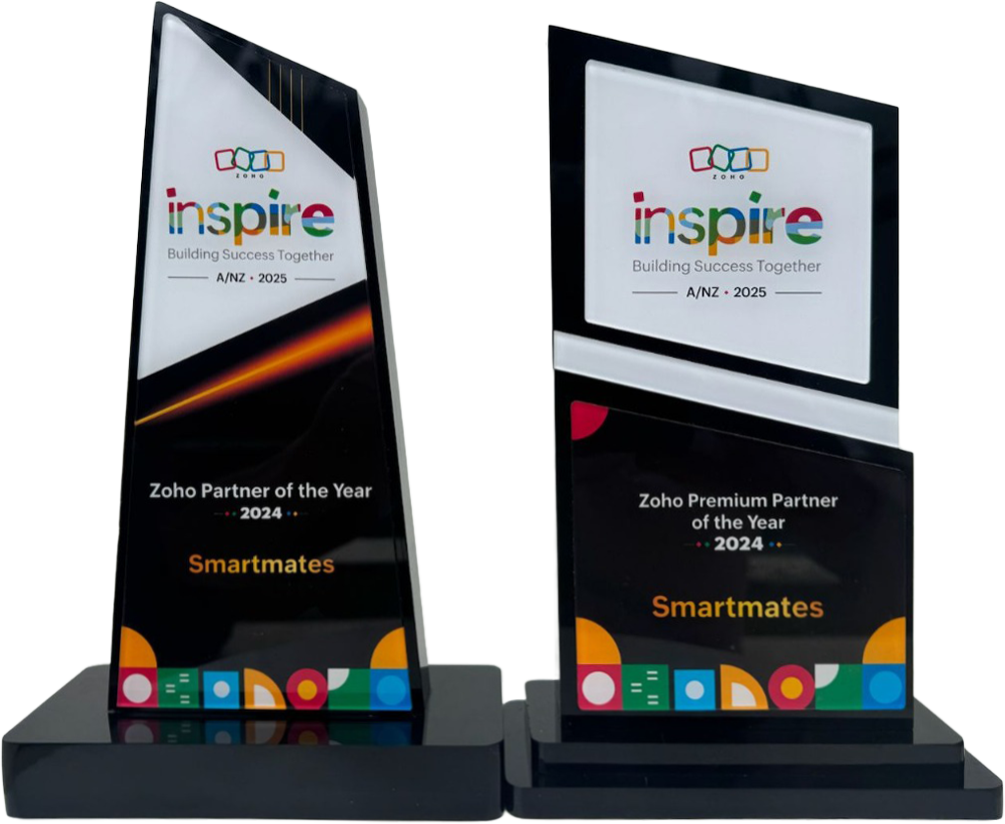
Better Business Systems Built By A Zoho Consulting Partner

Let me tell you about the business system paradox that keeps executives up at night.

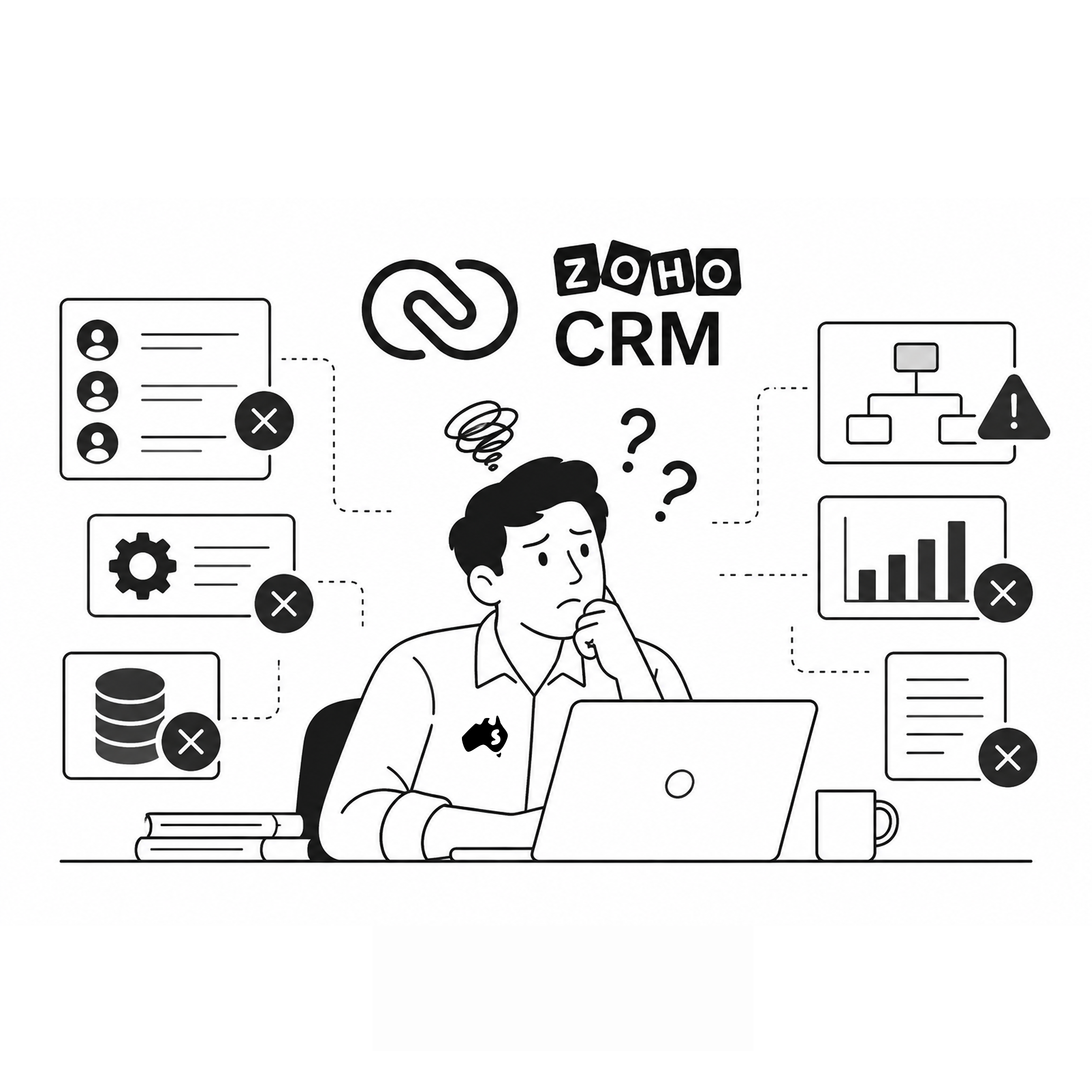
You invest in sophisticated software. Zoho, in this case. Capable. Comprehensive. Exactly what you need on paper. You implement it (or try to). You get it working (sort of). Your team uses it (reluctantly). And somehow, despite all this investment and effort, your business systems still feel… inadequate.

They’re not quite broken. But they’re definitely not working the way you’d envisioned. Data is messy. Processes are clunky. Adoption is patchy. Integration is problematic. The promise of streamlined operations and powerful insights remains frustratingly out of reach.

Here’s the uncomfortable truth most businesses eventually discover: the gap between software capability and actual business system effectiveness is enormous. Software provides tools. Business systems deliver outcomes. And bridging that gap requires more than just implementing features. It requires strategic expertise that most businesses simply don’t have internally.

This is where Zoho consulting partners become genuinely essential. Not because they know which buttons to click (though they do), but because they know how to transform software capabilities into business systems that genuinely work. Systems that people actually use. Systems that deliver the efficiency, visibility, and growth support you invested for.

Let me show you exactly what separates adequate software implementation from genuinely effective business systems, and why partnership makes all the difference.

The Gap Between Software and Effective Business Systems

Before we explore what consulting partners deliver, let’s properly understand why simply implementing software rarely creates effective business systems.

Software Provides Capabilities, Not Solutions

Zoho provides remarkable capabilities. CRM. Marketing automation. Customer service. Analytics. Integration tools. Project management. The features are genuinely comprehensive.

But capabilities aren’t solutions. Your business doesn’t need “CRM functionality.” It needs “systematic management of customer relationships that drives retention and expansion revenue.” That’s not a feature. That’s a business system that happens to leverage CRM capabilities.

This distinction is critical. Software implementation focuses on enabling features. Business system creation focuses on solving problems and driving outcomes.

Also read: Transform Your Entire CRM Ecosystem With Zoho CRM Consultants

Generic Configuration Doesn’t Match Specific Business Needs

Every business is unique in specific ways. Your sales process. Your customer journey. Your service delivery model. Your operational workflows. These specifics don’t match generic software templates.

Yet most implementations apply generic patterns because implementers don’t deeply understand your specific business model. The result? Systems that sort of work but require constant workarounds and compromises.

Effective business systems are configured specifically for your operations, not forced into generic templates that don’t quite fit.

Technical Implementation Ignores Human Factors

Software can be implemented technically but fail practically because human factors are ignored. If systems don’t match how people actually work, or if training is inadequate, or if change management is absent, adoption fails.

You end up with perfectly functional software that nobody uses properly. Technical success but practical failure.

Integration Complexity Undermines System Effectiveness

Your business doesn’t run entirely in Zoho. You’ve got accounting software, communication tools, industry-specific applications, legacy systems. These all need to work together for genuine business system effectiveness.

Most implementations handle integration as an afterthought or technical challenge rather than strategic business requirement. The result? Disconnected systems that create data silos and manual inefficiency despite each component working individually.

What Zoho Consulting Partners Actually Build

Let’s get specific about how quality Zoho consulting partners create genuinely effective business systems rather than just implementing software.

Business System Design Before Software Configuration

Partners start with business outcomes, not software features. What are you trying to achieve? What problems need solving? What processes require support? What visibility do you need? What capabilities would drive growth?

They design business systems to deliver these outcomes, then configure Zoho to support those systems. The focus is solving business problems, not showcasing software capabilities.

This business-first approach ensures systems genuinely serve your needs rather than just demonstrating what Zoho can theoretically do.

Customised Configuration Matching Your Specific Operations

Partners don’t apply generic templates. They configure Zoho specifically for your business model, processes, and operational realities.

Your sales stages. Your customer lifecycle. Your service delivery workflow. Your reporting needs. Your integration requirements. Everything tailored to how you actually operate.

This customisation creates systems that feel natural to use because they match how work actually flows, not how generic templates imagine it should flow.

Integration Architecture Creating Unified Systems

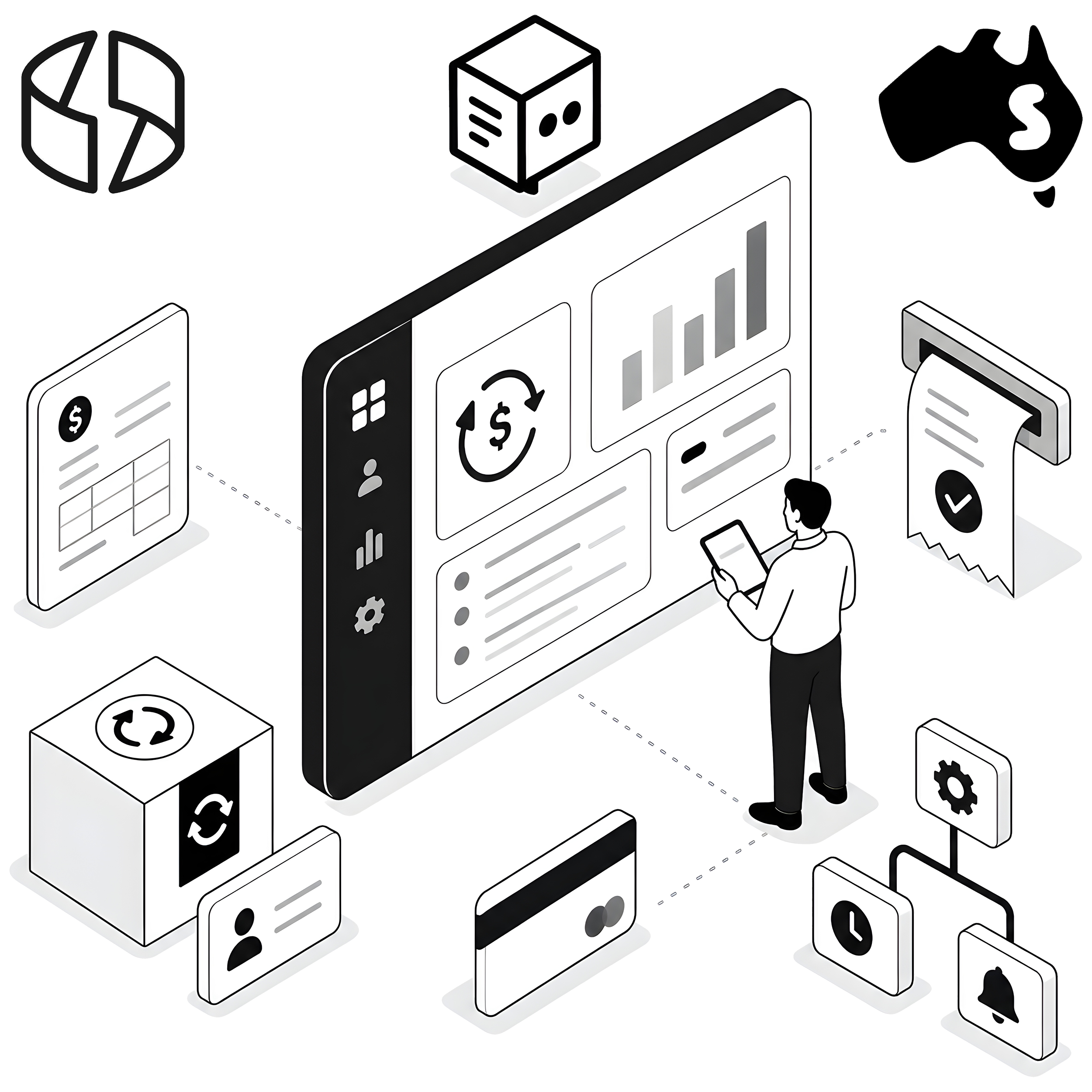
Effective business systems require multiple tools working together seamlessly. Partners design integration architecture that creates this unity.

Data flowing properly between systems. Workflows spanning multiple tools. Unified reporting despite data living in different places. Single source of truth despite technical distribution.

This integration transforms disconnected software into cohesive business systems that eliminate data silos and manual inefficiency.

Change Management Ensuring Practical Adoption

Partners understand that system effectiveness depends on people using them properly. They manage the human side of implementation alongside the technical.

Comprehensive training tailored to different roles. Clear communication about why changes are happening. Support resources for questions and issues. Champions who help colleagues navigate new systems.

This change management transforms technical capability into practical effectiveness through genuine adoption.

Continuous Optimisation Maintaining System Effectiveness

Business systems aren’t static. Markets change. Businesses evolve. Processes improve. Effective systems adapt continuously rather than becoming outdated.

Partners provide ongoing optimisation. They help you refine systems based on usage patterns. They implement new capabilities as needs emerge. They ensure systems remain effective as your business grows and changes.

This continuous evolution maintains system value over time rather than letting it erode.

The Smartmates Difference in Building Business Systems

Right, let’s talk about what exceptional Zoho consulting partnership actually delivers in creating genuinely effective business systems. And since we’re being direct, let me show you how Smartmates approaches this for Australian businesses.

Why Smartmates Builds Better Business Systems

First, they don’t just implement Zoho. They solve business problems using Zoho as one tool among many. The focus is always on business outcomes, with technology serving those outcomes rather than driving them.

This outcome-focused approach ensures systems genuinely work for your business rather than just demonstrating software capability.

Certified Zoho expertise with business understanding. The Smartmates team holds Zoho certifications, but more importantly, they understand business operations and processes. They speak both technology and business fluently, bridging the gap that typically exists.

Proven methodology creating effective systems. Smartmates has refined their approach through dozens of successful implementations. They know what creates genuinely effective systems versus what just completes technical implementation.

This battle-tested methodology isn’t theoretical. It’s continuously refined based on actual business system performance.

Australian business expertise. Being locally based means Smartmates understands Australian business operations, market dynamics, and regulatory environment. Systems address real local realities rather than applying generic international patterns.

Dual platform mastery. Unlike partners locked into one platform, Smartmates works with both Zoho and HubSpot. This flexibility means they recommend whichever platform genuinely suits your needs better, or design solutions leveraging both strategically.

They optimise for your business system effectiveness, not platform preference.

But here’s what genuinely sets Smartmates apart: their commitment to building systems that deliver measurable business outcomes rather than just completing implementation projects.

What working with Smartmates delivers:

You get business system design focused on outcomes you need to achieve. You get customised configuration matching your specific operations. You get integration architecture creating unified systems across your tech stack. You get change management ensuring genuine adoption. You get continuous optimisation maintaining effectiveness.

And critically, you get partnership focused on business results, not just technical deliverables.

Visit smartmates.com.au to discover how expert Zoho consulting partnership builds genuinely effective business systems.

Building Effective Business Systems: The Partnership Process

How do Zoho consulting partners actually create effective business systems? Here’s the proven process.

Phase One: Business Discovery and Analysis

Effective system building starts with deep business understanding. Partners invest time learning how your business actually operates.

Current processes documented. Pain points identified. Stakeholder needs understood. Strategic objectives clarified. Success criteria defined. This discovery creates the foundation for system design that genuinely serves business needs.

Phase Two: Business System Design

With business understanding clear, partners design systems to deliver required outcomes.

Process workflows mapped. Data architecture planned. Integration strategy defined. Reporting framework designed. Adoption approach outlined. This design phase connects business requirements to technical implementation strategically.

Phase Three: Customised Implementation

Implementation configures Zoho to support the designed business systems.

Modules customised for your processes. Fields aligned with your data needs. Workflows automating your operations. Integrations connecting your tech stack. Reports surfacing your insights.

This implementation phase brings designed systems to life through strategic Zoho configuration.

Phase Four: Integration and Testing

Before launch, comprehensive testing validates that systems work as designed under realistic conditions.

Integration reliability confirmed. Workflow logic verified. Performance validated. Edge cases tested. User acceptance obtained. This testing ensures systems genuinely work before going live.

Phase Five: Training and Adoption Support

Launch includes comprehensive training and support ensuring people actually use systems effectively.

Role-specific training delivered. Documentation provided. Support resources established. Champions empowered. Adoption monitored and supported. This change management transforms technical capability into practical effectiveness.

Phase Six: Optimisation and Evolution

After launch, continuous optimisation ensures systems remain effective as business evolves.

Usage patterns monitored. Feedback gathered. Refinements implemented. New capabilities added. Systems evolved alongside business growth. This ongoing partnership maintains system value long-term.

System Building Phase Focus Key Activities Business Value
Discovery Business understanding Process mapping, stakeholder interviews Foundation for effective design
Design Outcome-focused systems Workflow design, architecture planning Strategic alignment
Implementation Technical excellence Configuration, customisation Capability creation
Integration & Testing Reliability assurance Testing, validation Confidence in systems
Training & Adoption Practical effectiveness Training, support, change management Actual usage and value
Optimisation Continuous improvement Monitoring, refinement, evolution Sustained effectiveness

Common Business System Failures Partnerships Prevent

Even with good intentions, certain patterns consistently prevent effective business systems. Here’s how consulting partnerships prevent these failures.

The “Built for Today, Breaks Tomorrow” Problem

Many implementations work for current state but can’t accommodate growth or change. They’re rigid systems that become outdated quickly.

Partnership prevention: Partners design for evolution from day one. Scalable architecture. Flexible workflows. Extensible integrations. Systems that adapt as business grows and changes.

The “Technical Success, Practical Failure” Gap

Systems work technically but people don’t use them effectively. Perfect implementation that delivers no value because adoption fails.

Partnership prevention: Change management alongside technical implementation. Training that creates genuine competence. Support that builds confidence. Systems designed for how people actually work.

The “Islands of Automation” Inefficiency

Each department implements automation for their needs, creating disconnected systems that don’t work together.

Partnership prevention: Holistic business system design. Integration creating unity. Cross-functional workflows. Organisation-wide visibility. Systems that work together, not in isolation.

The “Over-Engineered Complexity” Trap

Systems become so complex and customised that they’re difficult to use and maintain. Technical sophistication that undermines practical effectiveness.

Partnership prevention: Strategic simplicity. Implement only what genuinely adds value. Standard functionality where appropriate. Custom development only when justified. Maintainable systems.

The “Set and Forget” Degradation

Systems implemented well but never optimised. They slowly become less effective as business evolves and requirements change.

Partnership prevention: Ongoing optimisation partnership. Regular reviews. Continuous refinement. Evolution alongside business growth. Maintained effectiveness over time.

Measuring Business System Effectiveness

How do you know if consulting partnership has created genuinely effective business systems? Here are the metrics that matter.

User Adoption and Satisfaction

Are people actually using systems? Are they satisfied with how systems support their work? High adoption and satisfaction indicate effective systems.

Track usage rates. Survey user satisfaction. Monitor engagement with key features. Growing adoption validates effectiveness.

Process Efficiency Improvements

Are processes actually more efficient? Time saved. Errors reduced. Manual work eliminated. These operational improvements demonstrate system value.

Measure before and after metrics. Calculate time savings. Quantify error reduction. Document efficiency gains.

Business Outcome Achievement

Are systems driving intended business outcomes? Revenue growth. Customer retention. Operational cost reduction. Strategic capability enablement.

Connect systems to business results. Track KPIs. Measure strategic impact. Validate ROI.

System Sustainability and Evolution

Can systems evolve as business changes? Are they maintainable? Do they accommodate growth?

Monitor how easily systems adapt to new requirements. Assess maintenance burden. Evaluate scalability under growth.

Getting Started: Choosing the Right Zoho Consulting Partner

Ready to build genuinely effective business systems through Zoho consulting partnership? Here’s how to choose wisely.

Evaluate Business Understanding, Not Just Technical Skill

Best partners understand business operations, not just Zoho capabilities. They ask about your business before discussing features.

During evaluation, assess their business questions. Do they seek to understand your operations? Do they think strategically? Do they speak business language?

Review Demonstrated Results, Not Just Promises

Anyone can promise effective systems. Quality partners prove it through demonstrated results.

Ask for references. Talk to current clients. Review case studies with actual outcomes. Validate claims through evidence.
Assess Cultural and Communication Fit

You’ll work closely with partners. Cultural fit and communication quality matter enormously.

Do they communicate clearly? Do they listen well? Do they feel collaborative? Trust your instincts about working relationship quality.

Understand Their Ongoing Support Model

Effective business systems require ongoing partnership, not just one-time implementation.

Clarify their support approach. How do they handle questions? What optimisation do they provide? How do they support evolution?

Verify Relevant Experience and Expertise

Look for partners with relevant experience. Your industry. Your business model. Your scale. Similar challenges.

This relevant experience means they understand your specific context and can apply proven approaches rather than experimenting.

Transform Software Into Business Systems That Work

Here’s the bottom line, and I’ll be direct because your operational effectiveness depends on it.

Software provides capabilities. Business systems deliver outcomes. The gap between these is enormous, and most businesses never successfully bridge it through DIY implementation.

Zoho consulting partners don’t just implement software. They build business systems that genuinely work. Systems designed for your specific operations. Systems that people actually use. Systems that integrate with your tech stack. Systems that drive measurable business outcomes.

This transformation from software implementation to effective business systems requires expertise most businesses don’t have internally. Strategic design capability. Technical excellence. Change management skill. Integration architecture knowledge. Continuous optimisation commitment.

Quality consulting partnerships provide all of this, transforming technology investment from adequate to genuinely effective.

That’s exactly what Smartmates delivers for Australian businesses. You get business system design focused on outcomes. You get customised implementation matching your operations. You get integration creating unified systems. You get change management driving adoption. You get continuous optimisation maintaining effectiveness.

And you get partnership committed to business results, not just technical deliverables.

Your business deserves systems that actually work, not just software that’s technically implemented. The difference between these determines whether technology enables growth or creates frustration.

Ready to transform Zoho from implemented software into genuinely effective business systems? Connect with Smartmates at smartmates.com.au and discover how expert Zoho consulting partnership builds systems that deliver measurable business outcomes, drive operational excellence, and support sustainable growth. Your business systems should work for you, not against you. Build them properly.

Request a Callback from Smartmates

Sarah the sales engineer

Sarah

Senior Sales Engineer
  • I’ll listen to your HubSpot needs to understand your business challenges and goals, ensuring a tailored approach.

  • I’ll bring our engineer onto our first consultation to explore solutions and clarify your requirements.

  • We’ll deliver your free project plan quotation, detailing the steps, timeline, and costs—up to this point, it’s completely free!

“My mission is to solve your key problems, build your trust in our capabilities and deliver exceptional value for money.”

Fill in your details and

we’ll contact you fast.
Fill in your details and

we’ll contact you fast.