

Zoho Specialist Helping Manufacturers Strengthen Production Visibility

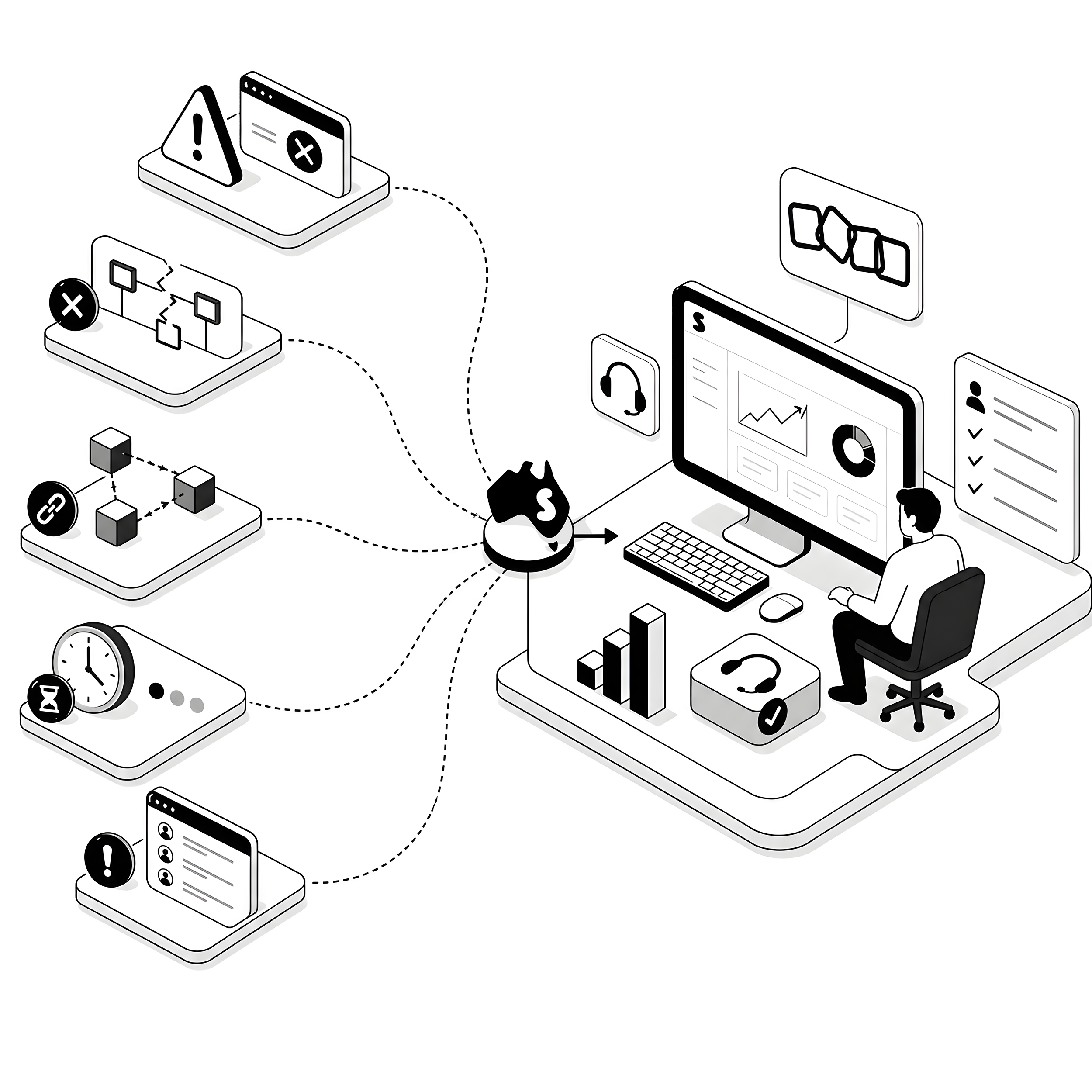
It’s 9:15 AM in your manufacturing facility. A customer calls asking about their order status. You put them on hold, walk to the production floor, ask three different people, check two clipboards, and return with a vague answer that’s probably half accurate. Meanwhile, your production manager is hunting for inventory levels to decide whether you can accept a rush order. Your quality controller is manually compiling yesterday’s defect data. And somewhere, a machine is about to run out of materials but nobody knows yet.

This is manufacturing without proper visibility. It works until it doesn’t. And when it doesn’t, you lose orders, waste materials, miss deadlines, and watch competitors who seem to operate with some kind of magical foresight steadily take market share.

The Australian manufacturing sector is experiencing a renaissance. Reshoring from overseas. Government incentives for local production. Growing demand for quality Australian-made products. Yet many manufacturers operate with systems better suited to the 1990s than 2025. Clipboards, whiteboards, spreadsheets, and institutional knowledge locked in people’s heads.

This is where a zoho specialist who understands manufacturing becomes invaluable. Not someone who installs software and walks away, but a specialist who genuinely comprehends the complexity of transforming raw materials into finished products while managing inventory, quality, scheduling, maintenance, and customer commitments across workflows that involve dozens or hundreds of steps.

Because production visibility isn’t about fancy dashboards for their own sake. It’s about knowing what’s actually happening on your floor right now, what’s coming next, where problems are emerging, and where opportunities exist. It’s the difference between running your manufacturing operation and being run by it.

The Manufacturing Visibility Crisis Nobody Acknowledges

Let’s talk honestly about what’s happening in most Australian manufacturing operations. You make good products. Your team knows their craft. Customers value what you produce. But behind the scenes, you’re flying blind more often than you’d ever admit to clients.

You’ve got production schedules that are outdated before the ink dries. Inventory counts that are estimates at best. Quality data that gets compiled manually after the fact. Maintenance that happens when things break rather than before. Customer commitments that are hopeful rather than data-driven.

Your production manager probably has an impressive mental model of what’s happening across the floor. They know which machines are temperamental. They remember which operators excel at which processes. They can estimate completion times based on years of experience. They’re genuinely brilliant at their job.

But this brilliance creates vulnerability. When they take holidays, chaos ensues. When they eventually retire or move on, decades of knowledge walks out the door. When you want to scale operations or add product lines, their capacity becomes your bottleneck.

Your quality processes probably involve inspection data recorded on paper forms, entered into spreadsheets later, analyzed when someone has time. By the time you spot trends, you’ve already produced dozens or hundreds of units with the same issue.

Your inventory management likely combines periodic physical counts, rough estimates, and hoping you don’t run out of critical materials mid-production run. You carry more stock than necessary because you’re not confident in your visibility. That ties up cash and warehouse space.

Customer inquiries about order status require detective work. Someone needs to physically check the floor, ask around, make educated guesses about completion timing. Professional customers expect real-time tracking like they get from Amazon. You’re offering estimates and apologies.

A zoho specialist who understands manufacturing doesn’t judge this reality. They’ve seen it repeatedly across operations from small job shops to substantial production facilities. Their expertise isn’t about making you feel bad about current state. It’s about transforming fragmented, manual processes into integrated systems that actually show you what’s happening across your entire operation in real time.

What Makes Manufacturing Visibility Different (And Complex)

Before diving into solutions, let’s acknowledge why manufacturing visibility is genuinely harder than visibility in other businesses. It’s not just about tracking work progress like project management. It’s fundamentally more complex.

Physical Transformation Processes

You’re not just managing information. You’re managing physical materials being transformed through multiple processes into finished products. Raw materials arrive. They move through various machines and work centers. They get assembled, processed, inspected, packaged, stored, and shipped. Visibility means tracking physical items through this entire journey.

Generic business systems aren’t built for this complexity. They handle information workflows nicely but struggle with physical transformation processes.

Inventory Across Multiple States

Your inventory isn’t simple. You’ve got raw materials, work in progress at various stages, finished goods, consumables, tooling, and probably packaging materials. Each category has different tracking requirements, different valuation methods, different reorder logic.

Standard inventory systems treat everything as simple products going in and out. Manufacturing inventory is far more complex because materials transform as they move through production.

Quality and Compliance Requirements

Depending on what you manufacture, you face quality standards, regulatory compliance, traceability requirements, and documentation obligations. Batch tracking might be critical. Material certifications might be mandatory. Quality inspection data might require retention for years.

These aren’t just nice to have. They’re often legal requirements or customer contract obligations. Systems need to support compliance properly, not as awkward workarounds.

Equipment and Maintenance Complexity

Your production capability depends on equipment functioning properly. Machines need preventive maintenance. Breakdowns need tracking for warranty claims and failure pattern analysis. Tooling wears out and needs replacement. Calibration requires scheduling and documentation.

Equipment visibility is critical for manufacturers but largely irrelevant for service businesses. Generic systems don’t handle this well.

Scheduling and Capacity Constraints

Manufacturing scheduling is complicated by machine capacity, operator skills, material availability, tooling requirements, setup times, and quality considerations. Optimal scheduling considers all these factors simultaneously. That’s mathematically complex even before you add the reality of rush orders, equipment breakdowns, and material delivery delays.

Spreadsheet scheduling works until production complexity exceeds spreadsheet capability, which happens earlier than most manufacturers realize.

This complexity is why experienced zoho specialist knowledge matters so much. They configure systems that handle manufacturing’s unique requirements rather than forcing manufacturing into systems designed for different purposes.

Also Read: Legal Practices Modernise Intake Through Zoho CRM Consultants Strategy

The Production Visibility Framework

Let’s walk through what comprehensive production visibility actually involves. Not theoretical concepts, but practical systems that transform how manufacturing operations run.

Real-Time Production Tracking

The foundation of visibility is knowing what’s happening on your floor right now without walking around asking people.

Modern production tracking means operators log progress as work happens. Starting jobs. Completing operations. Moving between work centers. Recording quantities. Noting issues. This data flows into central systems immediately, not at shift end through paper forms.

With proper systems configured by knowledgeable zoho specialists, you see current production status instantly. Which jobs are running. Which work centers are busy. Which operations are behind schedule. Which jobs just completed. All in real time from any device, anywhere.

Your production manager doesn’t need to physically be on the floor to understand status. Sales can answer customer inquiries accurately without hunting for information. Leadership sees operational reality, not outdated reports.

This isn’t about micromanaging operators. It’s about having information that enables better decisions at all levels.

Inventory Visibility Across States

Manufacturing inventory tracking needs to handle materials in all states. Raw materials in receiving or stores. Materials issued to production but not yet processed. Work in progress at various production stages. Finished goods in warehouse awaiting shipment. Returns or rework items.

Proper systems track materials as they flow through these states. You know what you have, where it is, what form it’s in, and how it’s valued. Inventory accuracy improves dramatically because tracking happens as materials move rather than through periodic counts trying to reconcile what should be there with what actually is.

This visibility enables better decisions. Can you accept that rush order? Check real-time raw material availability and production capacity. Should you reorder materials? Look at current levels, work in progress consumption, and upcoming production schedules. Where’s inventory value tied up? See exactly what’s in which state and make strategic decisions about managing working capital.

Quality Data in Production Context

Quality problems cost manufacturers enormously. Scrapped materials. Rework time. Customer returns. Reputation damage. Early detection prevents small issues becoming big problems.

Traditional quality management involves inspectors recording data on paper forms, entering it into spreadsheets later, analyzing it occasionally. By the time you notice trends, you’ve already produced substantial quantities with defects.

Real-time quality tracking changes this completely. Inspection data gets captured digitally as inspection happens. Non-conformances get logged immediately with relevant context about which materials, which machines, which operators, which time periods. Statistical analysis happens automatically. Trends get flagged as they emerge.

You catch problems during production runs rather than after completion. You identify root causes faster because data includes relevant context automatically. You make data-driven decisions about process improvements rather than guessing based on anecdotes.

Equipment Performance and Maintenance

Your equipment is critical infrastructure. Breakdowns stop production. Poor performance affects quality and efficiency. Deferred maintenance causes expensive failures.

Visibility means tracking equipment status, performance metrics, maintenance history, and scheduled maintenance. You know which machines are due for service. You see performance trends suggesting developing problems. You track actual utilization versus capacity for expansion planning.

Preventive maintenance happens on schedule rather than when someone remembers or when breakdown forces it. Equipment history is documented for warranty claims and failure analysis. Maintenance costs get tracked properly for budgeting and equipment replacement decisions.

Schedule Visibility and Capacity Planning

Production scheduling is complex but critical. Good schedules maximize efficiency. Poor schedules waste capacity, miss deadlines, and frustrate everyone.

Manual scheduling using whiteboards or basic spreadsheets becomes inadequate quickly as complexity grows. Multiple products, multiple work centers, varying processing times, setup requirements, material dependencies, and capacity constraints create scheduling challenges that overwhelm manual approaches.

Zoho specialist configuration provides scheduling tools that consider all relevant factors. Material availability. Equipment capacity. Operator skills. Due dates. Priority levels. The system helps create feasible schedules rather than aspirational schedules that collapse immediately when reality intervenes.

You see capacity utilization clearly. Where you’re constrained. Where you have slack. Whether you can accept additional work. When delivery commitments are realistic versus optimistic.

Visibility Dimension Manual Approaches With Zoho Specialist Configuration
Production status Requires physical checking Real-time dashboard access
Inventory accuracy 70-85% typical 95%+ with automated tracking
Quality trend detection Days to weeks after Hours, automatically flagged
Equipment maintenance Reactive or calendar-based Predictive with performance tracking
Schedule reliability Frequent disruptions Data-driven feasibility

The Zoho Specialist Approach to Manufacturing Implementation

Let’s walk through how experienced zoho specialist professionals approach manufacturing transformation. This isn’t theory. This is proven process that works across different manufacturing types and scales.

Manufacturing Process Deep Dive

Good specialists start by thoroughly understanding your specific manufacturing processes. Not generic manufacturing concepts, but how your operation actually works.

They spend time on your floor. They watch materials flow through production. They understand your work centers and processes. They learn your quality requirements. They grasp your scheduling challenges. They identify where information gets lost or delayed.

This understanding is critical because manufacturing operations vary enormously. Job shop production differs from batch production differs from continuous production. Assembly operations differ from fabrication differ from processing. Food manufacturing faces different requirements than metal fabrication faces different requirements than pharmaceutical production.

Cookie-cutter configuration fails. Systems must match your operational reality.

Data Flow Architecture Design

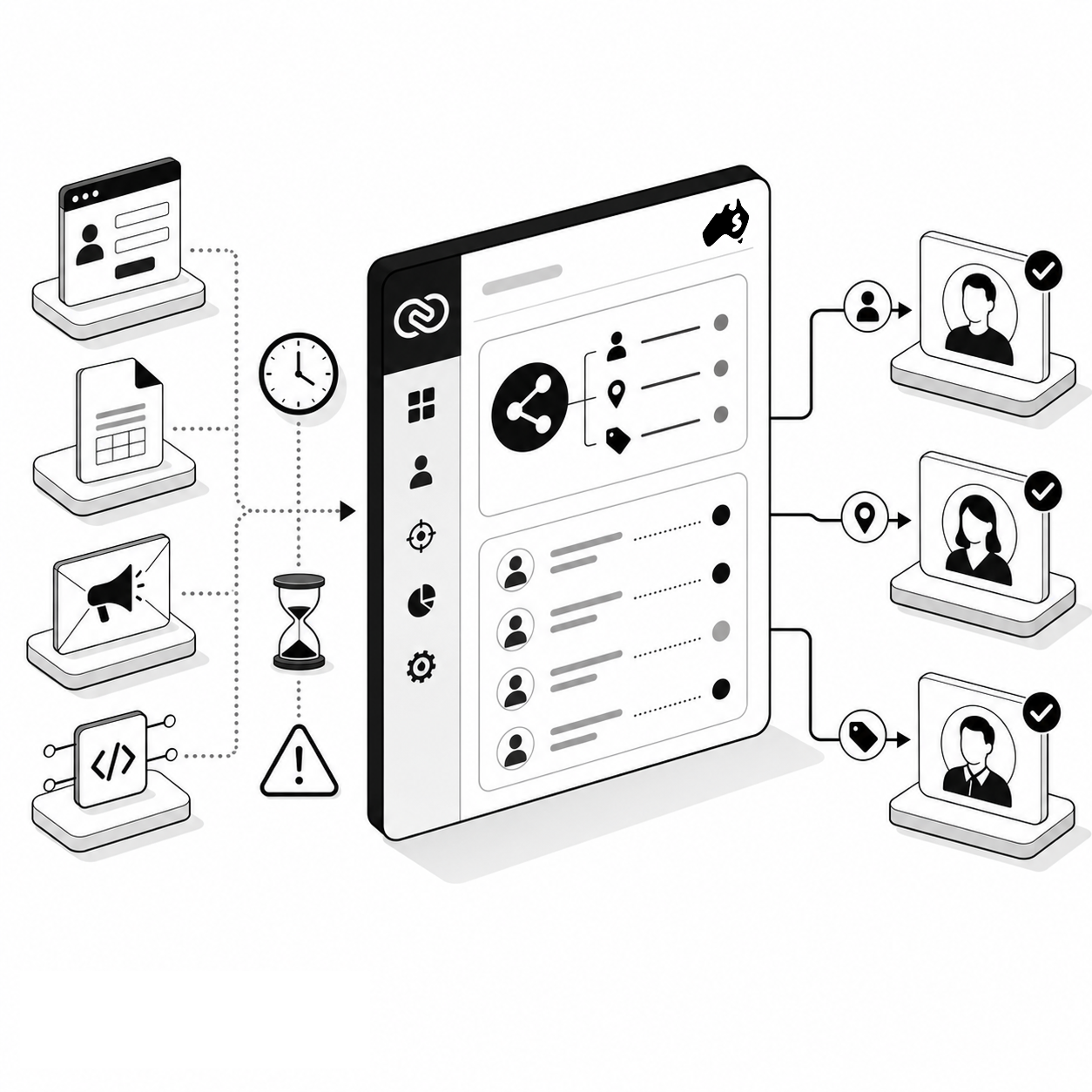
With clear understanding of your processes, specialists design information flow architecture. How production data gets captured. How it flows between systems. Where automation helps. Where human input remains essential. How reporting works.

This architecture considers your existing tools. You probably have accounting software. Maybe ERP or MRP systems. Possibly quality management tools. Perhaps SCADA for equipment monitoring. The specialist designs Zoho configuration that integrates appropriately rather than trying to replace everything.

Integration is critical because manufacturing operations rarely run on single systems. The goal is creating cohesive data flow across necessary tools, not forcing everything into one platform regardless of whether that makes sense.

Custom Module Configuration

Manufacturing requirements often exceed standard CRM or project management capabilities. You need custom modules for work orders, production routing, quality inspections, equipment maintenance, and batch tracking.

Experienced zoho specialists configure custom modules that match your terminology, your processes, and your data requirements. Work order forms that capture what your operators actually need to record. Inspection checklists that match your quality procedures. Maintenance records that support your compliance obligations.

This customization makes systems intuitive for your team rather than forcing them to adapt to generic templates that don’t quite fit.

Workflow Automation

Manufacturing involves many repetitive processes that systems can automate. Material requisitions when production starts. Quality inspection triggers at appropriate process stages. Maintenance scheduling based on equipment runtime or calendar intervals. Alerts when inventory drops below reorder points.

Automation doesn’t replace judgment. It handles routine steps reliably, freeing your team to focus on decisions and problem-solving that genuinely require human intelligence.

Mobile Access for Floor Workers

Your operators, inspectors, and supervisors work on the production floor, not at desks. They need systems accessible where work actually happens.

Tablets or smartphones let floor staff record progress, log quality data, report issues, check specifications, and access work instructions without returning to office computers. This real-time data capture is what enables real-time visibility.

Reporting and Analytics

Data collection only matters if it enables better decisions. Specialists configure reporting that provides insights your management actually needs.

Production performance metrics. Quality trends. Inventory turnover. Equipment utilization. Schedule adherence. Cost tracking. Whatever KPIs matter for your operation, dashboards should show them clearly without manual compilation.

Good reporting isn’t overwhelming. It highlights what needs attention while providing detailed data when you drill down.

Impact Areas Where Specialists Create Value

Let’s get specific about where proper Zoho configuration by manufacturing specialists transforms operations. Not generic benefits, but concrete improvements you’d notice quickly.

Customer Commitment Reliability

Nothing damages customer relationships like missed delivery commitments. When you can’t reliably tell customers when their orders will ship, trust erodes.

With proper visibility systems, you know production status accurately. You can provide realistic delivery dates based on actual capacity and current workload rather than hopeful estimates. You can update customers proactively when situations change rather than reactively after they call asking where their order is.

Customer satisfaction improves dramatically when your commitments are reliable and communication is proactive. Repeat business increases. Referrals grow. You compete on reliability rather than just price.

Material Cost Management

Material costs often represent 40% to 60% of manufacturing costs. Small improvements in material management create substantial bottom-line impact.

Better visibility reduces excess inventory. You carry what you actually need rather than safety stock to compensate for poor visibility. Cash tied up in inventory decreases. Obsolescence risks reduce. Storage costs drop.

Material waste decreases when you track consumption accurately. You notice when usage exceeds standards and investigate causes. You identify where process improvements could reduce material requirements.

Purchasing becomes more strategic. You negotiate better terms with suppliers because you understand your actual needs and can commit to volumes confidently.

Quality Cost Reduction

Quality problems are expensive. Scrapped materials. Rework labour. Customer returns. Warranty claims. Reputation damage. Every percentage point improvement in first-pass yield saves money.

Real-time quality tracking catches problems earlier, when fewer units are affected and correction is cheaper. Trend analysis identifies root causes faster. Data-driven process improvements actually work rather than shooting in the dark.

Some manufacturers we’ve worked with reduced quality costs by 40% to 60% within a year of implementing proper visibility systems. Not through harder work, but through better information enabling faster problem detection and resolution.

Equipment Effectiveness

Equipment represents major capital investment. Maximizing its productive use directly impacts manufacturing economics. Poor equipment effectiveness wastes capacity you’ve already paid for.

Overall Equipment Effectiveness (OEE) improves when you track availability, performance, and quality systematically. You identify where machines lose productive time. You distinguish between different loss categories to prioritize improvements appropriately.

Maintenance becomes strategic rather than reactive. Preventive maintenance reduces unplanned downtime. Equipment life extends. Maintenance costs decrease because you’re preventing failures rather than repairing them.

Production Planning Accuracy

Good planning maximizes efficiency. Poor planning wastes capacity and misses deadlines despite everyone working hard.

Schedule visibility enables realistic planning that accounts for actual constraints. You stop creating aspirational schedules that collapse immediately. You build feasible schedules that actually execute successfully.

Capacity utilization improves because you can see where constraints exist and take appropriate action. Adding shifts. Outsourcing bottleneck operations. Investing in additional capacity where it actually helps.

Regulatory Compliance Confidence

Many manufacturers face regulatory requirements. Food safety. Pharmaceutical quality. Aerospace traceability. Environmental compliance. Whatever applies to your products, documentation requirements are substantial.

Proper systems ensure required documentation happens automatically as production occurs rather than requiring reconstruction when audits happen. Batch traceability is complete. Quality records are comprehensive. Maintenance documentation proves preventive programmes exist.

Audits become straightforward rather than stressful. You produce required evidence easily because it’s captured systematically. Compliance isn’t a constant worry because systems ensure requirements are met.

The Australian Manufacturing Context

Manufacturing in Australia operates under specific conditions that overseas zoho specialist resources don’t understand but local specialists do.

Skills and Labour Market Dynamics

Australia’s manufacturing sector faces ongoing skills challenges. Experienced tradespeople are valuable and hard to find. Training takes time. Turnover hurts because knowledge walks out.

Systems that capture process knowledge reduce dependence on individual expertise. New workers get up to speed faster. Knowledge doesn’t leave when people do. This matters enormously in tight labour markets.

Quality Expectations and Reputation

Australian manufacturing has reputation for quality. Customers expect it. Maintaining that reputation requires consistent quality management. Systems that support quality tracking and improvement help maintain the reputation that enables premium pricing.

Supply Chain Distances and Complexity

Australian manufacturers often face longer supply chains than international competitors. Shipping from overseas suppliers takes weeks. Domestic distances are substantial. Poor inventory management creates bigger problems when replenishment takes longer.

Better visibility enables better inventory management, which matters more when supply chains are extended. You can’t easily rush-order materials from local suppliers when most materials come from overseas.

Regulatory and Safety Requirements

Australian manufacturing operates under specific safety and regulatory frameworks. Work health and safety requirements. Environmental regulations. Industry-specific quality standards. Systems configured by local specialists build compliance support in appropriately.

Common Manufacturing Objections to System Implementation

Let’s address the hesitations manufacturers voice about investing in proper visibility systems. Some concerns are legitimate. Most are misconceptions.

“Our Production Floor Isn’t Suited to Digital Systems”

Maybe your environment is dirty, wet, hot, or otherwise harsh. Industrial environments often are. That doesn’t prevent digital systems. It requires ruggedized devices and appropriate deployment.

Tablets in protective cases. Wall-mounted touchscreens. Wireless scanners. Industrial environments around the world use these successfully. Your floor probably isn’t uniquely challenging.

“Our Operators Won’t Use Technology”

This usually proves wrong. Operators resist poorly designed systems that make their work harder. They readily adopt systems that genuinely help them do their jobs better.

The key is designing interfaces that work for how operators actually work. Simple inputs. Clear displays. Obvious workflows. When systems are genuinely helpful rather than bureaucratic obstacles, adoption follows naturally.

“We’re Too Small to Need Enterprise Systems”

Visibility benefits manufacturers of any size. Small operations actually need it more because they lack the administrative depth to compensate for poor systems through extra staff.

Zoho specialist configuration can scale appropriately. You don’t need enterprise complexity. You need systems that work for your scale and grow as you grow.

“Implementation Will Disrupt Production”

Properly planned implementation doesn’t require production shutdowns. Specialists design rollouts that happen around your production schedule, not despite it. Testing happens before going live. Training occurs in manageable pieces.

Yes, there’s some disruption during transition. But far less than you fear and trivial compared to operating indefinitely with poor visibility.

The Smartmates Manufacturing Expertise

We’ve worked with Australian manufacturers across diverse industries. Job shops. Batch producers. Assembly operations. Food processing. Metal fabrication. Each implementation teaches us more about what works in manufacturing contexts.

Our approach differs from generic Zoho partners because we bring deep manufacturing operations understanding alongside technical Zoho expertise.

Manufacturing Operations Knowledge

We don’t just configure software. We understand manufacturing processes. The flow of materials through transformation. The complexity of scheduling multiple work centers. The criticality of quality management. The importance of equipment maintenance. The challenge of inventory valuation.

This operational knowledge shapes our configuration decisions. We’re solving manufacturing problems, not just implementing CRM features.

Australian Manufacturing Context

We understand the local context. Skills availability. Regulatory requirements. Supply chain challenges. Customer expectations. Industry standards. Our configurations reflect Australian manufacturing realities rather than international templates that don’t quite fit.

Integration Expertise

Manufacturing rarely runs on single systems. We design integration architecture that connects Zoho with your accounting, ERP, quality management, or equipment monitoring systems appropriately. Everything works together rather than requiring manual data transfer.

Practical Implementation Approach

We implement in phases that deliver value progressively. Core production tracking first. Then inventory management. Then quality systems. Then equipment maintenance. Each phase delivers benefits while building capability for the next.

This phased approach prevents overwhelming your team and provides early wins that build confidence and support for ongoing improvement.

Ongoing Partnership

Manufacturing operations evolve. You add product lines. You expand capacity. You improve processes. Your systems need to evolve accordingly. We stay engaged as partners who understand your operation rather than vendors who disappear after initial implementation.

Real Manufacturing Transformations

Let’s look at actual outcomes when Australian manufacturers work with proper zoho specialist expertise.

Western Sydney Fabricator: 30% Capacity Increase Without Equipment Investment

A metal fabricator was considering equipment purchases to meet demand. Better visibility revealed substantial unused capacity hidden by poor scheduling. Optimized scheduling increased effective capacity by 30% without capital investment.

Melbourne Food Manufacturer: Quality Costs Reduced 55%

High scrap and rework rates were hurting profitability. Real-time quality tracking identified problems at specific machines during specific shifts. Targeted improvements reduced quality costs by 55% within nine months.

Brisbane Aerospace Supplier: Audit Preparation From Days to Hours

Customer audits required days of preparation gathering documentation. Automated record-keeping reduced preparation to hours while improving documentation completeness. Customer confidence increased, leading to expanded business.

Your Manufacturing Transformation Journey

If you’re recognizing your operation in the challenges described, transformation probably feels necessary but daunting. Let’s demystify what’s actually involved.

Initial Assessment

Everything starts with honest conversation about your manufacturing operation. Your processes. Your challenges. Your growth plans. Your current systems. Your team capabilities.

We assess whether partnership makes sense and what approach would serve you best. Sometimes comprehensive implementation. Sometimes targeted improvements in specific areas. Always honest advice about what you actually need.

Tailored Implementation Planning

If partnership makes sense, we scope specifically what implementation involves. Not generic packages but approaches matching your operation, budget, and timeline.

You’ll understand deliverables, requirements, timeline, and investment clearly before committing.

Collaborative Implementation

Implementation happens collaboratively. We bring Zoho expertise and manufacturing knowledge. You bring deep understanding of your specific operation. Together we build systems that genuinely work.

Training ensures your team becomes capable users. Support continues post-implementation as you develop competence and as needs evolve.

The Transformation Beyond Technology

Here’s what really changes when manufacturers work with proper zoho specialist expertise. Operations improve, yes. But the deeper transformation is about confidence and capability.

You operate with confidence because you know what’s actually happening. Customer commitments are reliable because they’re based on data rather than hope. Quality is managed proactively rather than reactively. Equipment performs reliably because maintenance is planned properly.

Your team operates more effectively. They’re not constantly hunting for information or compensating for poor systems. They have tools that genuinely help rather than hinder. Focus shifts to improvement rather than survival.

Your customers experience the difference. Communication is better. Delivery is more reliable. Quality is consistent. They trust you more, which translates to loyalty and referrals.

Your business becomes more valuable. Operations that depend on documented systems scale better than operations that depend on individuals’ knowledge. When growth opportunities or exit opportunities arise, systematic operations create value that knowledge-dependent operations don’t.

Ready to Transform Your Manufacturing Operations?

Manufacturers thriving in Australia’s market aren’t necessarily the largest or most established. They’re the ones combining manufacturing capability with operational discipline enabled by proper visibility systems.

Zoho specialist expertise provides the foundation for visibility that transforms manufacturing from guesswork to data-driven decision-making.

At Smartmates, we’ve specialized in helping Australian manufacturers make this transformation. We understand manufacturing operations. We understand local context. We understand growth challenges. We understand what works and what fails.

We’re interested in building systems that genuinely improve your operations, not selling complexity you don’t need. We focus on practical improvements that deliver measurable value.

Ready to stop flying blind and start operating with confidence? Ready to build visibility that enables growth rather than limits it? Ready to transform your manufacturing operation into the efficient, data-driven business you know it could be?

Let’s talk about your specific situation. Visit smartmates.com.au or reach out directly. Your operation deserves visibility as good as your manufacturing capabilities. Your team deserves systems that help rather than hinder. Your business deserves to thrive.

The choice is yours. Continue guessing. Or transform operations with visibility that enables excellence.

Let’s build your manufacturing future together.

Request a Callback from Smartmates

Sarah the sales engineer

Sarah

Senior Sales Engineer
  • I’ll listen to your HubSpot needs to understand your business challenges and goals, ensuring a tailored approach.

  • I’ll bring our engineer onto our first consultation to explore solutions and clarify your requirements.

  • We’ll deliver your free project plan quotation, detailing the steps, timeline, and costs—up to this point, it’s completely free!

“My mission is to solve your key problems, build your trust in our capabilities and deliver exceptional value for money.”


Fill in your details and

we’ll contact you fast.

Fill in your details and

we’ll contact you fast.