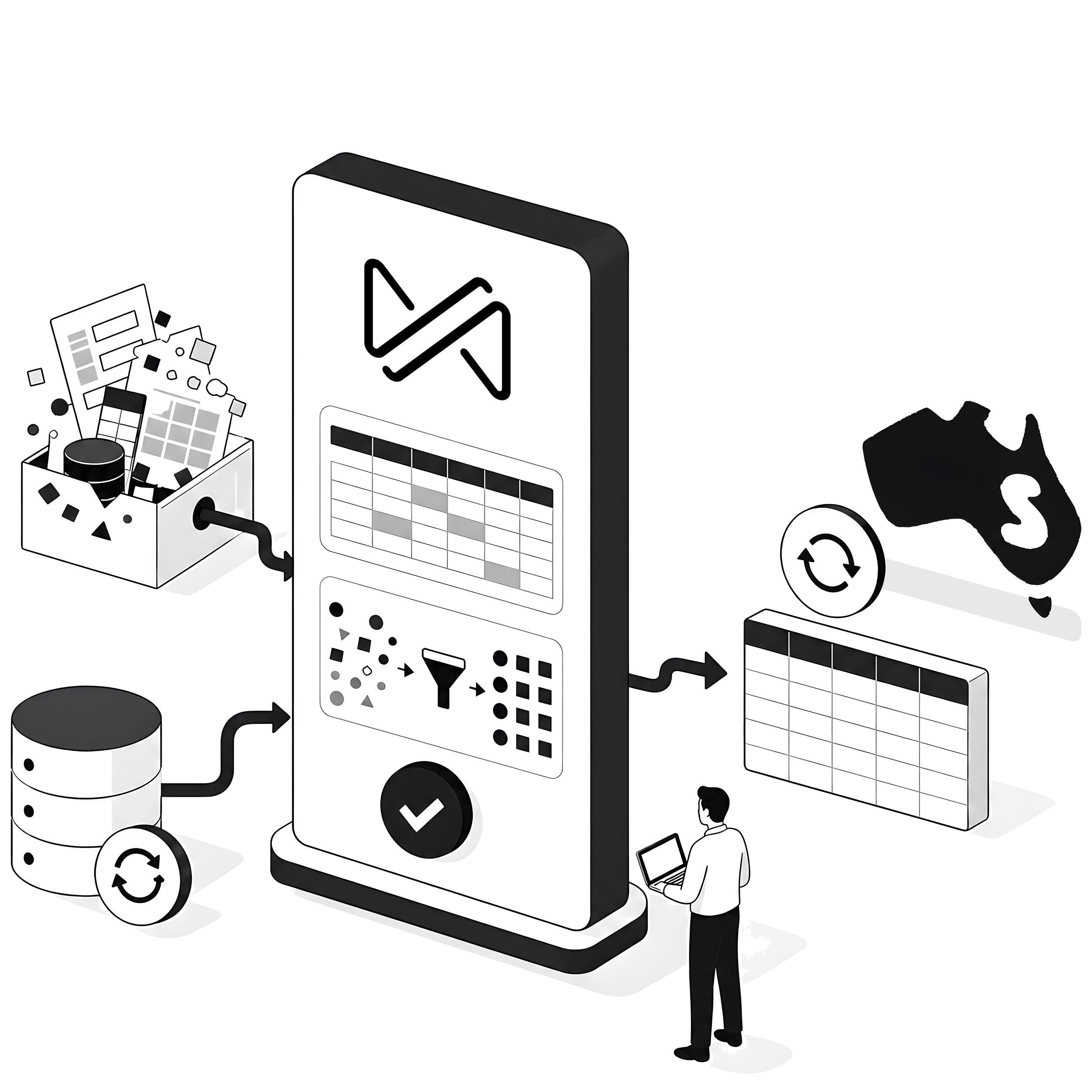


From Onboarding To Optimisation With HubSpot Professional

Day one with HubSpot Professional. You’ve signed the contract, received the welcome email, and logged into your shiny new portal. The dashboard is pristine. Empty. Full of possibility.

And also slightly terrifying.

Where do you even start? Do you import contacts first or set up your pipeline? Should you build email templates or configure workflows? What about integrations? Training? Reporting? The platform can do everything, which paradoxically makes it hard to know what to do first.

Here’s what happens to most businesses at this point. They either dive in randomly, clicking around and hoping things make sense. Or they schedule the implementation for “next quarter” when things are less busy (spoiler: they never are). Both approaches waste time and money.

The path from onboarding to optimisation needs a roadmap. Not HubSpot’s generic getting-started guide. A plan tailored to your business, your goals, your team’s capabilities. That’s what professional guidance delivers.

Why Proper Onboarding Makes or Breaks Your HubSpot Investment

Let’s be brutally honest about what happens with poor onboarding. You end up with a CRM that nobody uses properly, marketing automation that’s more chaotic than automated, and reports that don’t answer the questions you actually have.

The symptoms show up quickly. Your sales team keeps using their old spreadsheet because “the CRM is too complicated.” Marketing can’t figure out why their emails are going to spam. Customer service has no visibility into customer history. Management looks at dashboards that show vanity metrics instead of insights that drive decisions.

Six months later, you’re paying for HubSpot Professional but getting Starter-level value. Maybe less.

Good onboarding prevents this entirely. It’s not about rushing through setup to get the portal live. It’s about building foundations that support everything you’ll do with HubSpot for years to come.

Strategic alignment happens first. Before anyone touches the platform, you need clarity on what success looks like. Are you trying to generate more leads? Shorten sales cycles? Improve customer retention? Increase marketing ROI? Your onboarding strategy should directly support these objectives.

This requires actual conversations about your business. Not a quick kickoff call. Deep discovery that examines your customer journey, sales process, marketing strategy, data requirements, and integration needs. Your onboarding partner should ask more questions than they answer initially.

Technical foundation gets built next. Portal structure, contact properties, company and deal architecture, pipeline configuration, lifecycle stages. These aren’t just admin tasks. They’re strategic decisions that determine what’s possible later.

Get this wrong and you’ll spend months fighting limitations. Get it right and everything else becomes easier. Your onboarding partner should design architecture that supports your current needs while anticipating future growth.

Process migration transfers your existing workflows into HubSpot. Not by copying what you did in your old system, but by reimagining processes to leverage HubSpot’s capabilities. Maybe that manual task can be automated. Perhaps that complicated handoff can be streamlined. Your old inefficiencies don’t need to follow you.

Team enablement ensures everyone knows not just how to use HubSpot but why things are set up the way they are. Role-specific training that covers real scenarios your team will face. Hands-on practice with your actual data. Documentation they can reference later.

Poor onboarding skips or rushes these steps. Professional onboarding takes the time to do them properly.

Also read: Why Strategy Work Costs More Than Setup Hourly Rate In HubSpot Consulting

The First 90 Days: Building Your HubSpot Foundation

Let’s map out what comprehensive HubSpot Professional onboarding actually looks like over the first three months.

Weeks 1-2: Discovery and Strategy

This phase is all questions. Your onboarding team needs to understand your business inside out. They’ll talk to different departments, review existing processes, examine your current tech stack, and map customer journeys.

They’ll audit your data too. What information exists in your current systems? What’s the quality like? What needs cleaning before migration? What gaps need filling?

The output is a detailed implementation plan. Portal architecture design. Data migration strategy. Integration roadmap. Training schedule. Success metrics. Everything documented and agreed upon before configuration begins.

Weeks 3-4: Portal Setup and Configuration

Now the technical work starts. Your portal gets structured according to the plan. Custom properties get created. Pipelines and deal stages get configured. Lifecycle stages get defined. Teams and user permissions get set up.

Email infrastructure gets configured too. Domain authentication, sender reputation setup, bounce handling, subscription management. The technical plumbing that ensures your emails actually reach inboxes.

Landing page templates get built. Email templates get created. Forms get designed. All branded, mobile-responsive, and optimized for conversion.

Weeks 5-6: Data Migration and Integration

Your existing data gets cleaned, mapped, and migrated. Contacts, companies, deals, historical data. Everything transfers with proper associations and without creating duplicates.

Critical integrations get implemented. Maybe your accounting system needs to sync with HubSpot. Or your e-commerce platform. Or your customer service tool. These connections get configured, tested, and validated.

Weeks 7-8: Automation and Workflows

This is where HubSpot Professional starts showing its power. Lead scoring gets configured based on your criteria. Nurture workflows get built to move prospects through your funnel. Internal notifications ensure sales gets alerted at the right moments.

Deal automation streamlines your sales process. Task creation keeps things from falling through cracks. Status updates keep everyone informed. All tested thoroughly before going live.

Weeks 9-10: Reporting and Dashboards

Reports get built for different stakeholders. Sales dashboards showing pipeline and forecasts. Marketing dashboards tracking campaign performance and ROI. Executive dashboards giving leadership the big picture. Customer service dashboards monitoring satisfaction and response times.

Attribution tracking gets implemented so you can see which marketing activities actually drive revenue. Goal tracking connects individual activities to company objectives.

Weeks 11-12: Training and Go-Live

Comprehensive training rolls out to your team. Not generic HubSpot training, but instruction specific to your configuration and processes. Different sessions for different roles. Marketers learn their tools. Sales reps learn theirs. Managers learn reporting.

Documentation gets delivered. Process guides. Best practices. Troubleshooting tips. Video tutorials. Everything your team needs to use HubSpot confidently.

Then you go live. Not with a big bang that overwhelms everyone, but with a managed rollout that ensures adoption. Your onboarding team sticks around for the first few weeks, answering questions and smoothing any rough edges.

Beyond Onboarding: The Optimisation Journey

Here’s what many businesses don’t realize. Onboarding gets you to functional. Optimisation gets you to exceptional. The real ROI comes from continuous improvement over months and years.

Month 3-6: Early Optimisation

You’ve been live for a few months now. Data is accumulating. Patterns are emerging. You’re starting to see what works and what doesn’t.

This is when optimisation begins. Your support team analyzes performance metrics. Which lead sources convert best? Where do deals get stuck in your pipeline? What email subject lines get opened? Which workflows are performing, and which need adjustment?

They’ll refine lead scoring based on actual conversion data. Adjust automation timing based on engagement patterns. Optimize forms based on completion rates. Update email templates based on click-through rates.

Database hygiene gets established. Deduplication routines. Data enrichment processes. Validation rules that keep information clean going forward.

Month 6-12: Advanced Capabilities

As your team becomes comfortable with HubSpot Professional, you can layer in more sophisticated capabilities.

Advanced segmentation enables more targeted, relevant communication. Instead of broad email blasts, you’re sending personalized messages based on behavior, demographics, and engagement history.

Predictive lead scoring uses machine learning to identify patterns human analysis might miss. Which combination of behaviors best predicts conversion? HubSpot’s algorithms can help identify them.

Multi-touch attribution shows the complete customer journey, not just first or last touch. You see which touchpoints matter throughout the buying process, informing smarter marketing investment decisions.

A/B testing becomes systematic rather than occasional. Email subject lines. Landing page designs. Call-to-action buttons. Continuous experimentation drives continuous improvement.

Year 2+: Scaling and Sophistication

By now, HubSpot Professional is embedded in your operations. But optimisation never stops.

Your business evolves. New products launch. New markets open. New competitors emerge. Your HubSpot setup needs to evolve accordingly.

Maybe you’re expanding internationally and need multi-language support. Perhaps you’re adding new product lines that require different nurture approaches. Your growing database might need more sophisticated segmentation strategies.

Advanced automation becomes possible as you gather more data. Behavior-triggered campaigns that adapt in real-time. Account-based marketing workflows that coordinate outreach across multiple contacts. Lifecycle marketing that adjusts messaging based on customer maturity.

Custom integrations connect HubSpot Professional with specialized tools in your expanding tech stack. Custom reporting provides insights specific to your evolving business questions.

Common Optimisation Opportunities Most Businesses Miss

Let’s talk about the optimisations that deliver outsized returns but often get overlooked.

Email deliverability optimization matters more than most businesses realize. You might have brilliant email content, but if it’s landing in spam folders, nobody sees it. Regular deliverability audits, sender reputation monitoring, list hygiene practices, and content optimization all protect your ability to reach inboxes.

Lead scoring refinement based on actual conversion data often reveals surprises. That behavior you thought indicated buying intent? Doesn’t correlate with conversion. That touchpoint you considered minor? Strongly predicts closed deals. Continuous scoring optimization ensures you’re prioritizing the right leads.

Workflow efficiency improvements eliminate unnecessary steps and delays. Maybe a workflow waits 24 hours when 2 hours would be better. Perhaps a nurture sequence has six emails when four would be more effective. Regular workflow audits identify these inefficiencies.

Contact lifecycle accuracy ensures contacts are in the correct stage. Leads who should be opportunities. Opportunities who’ve become customers. Customers who’ve churned. Accurate lifecycle data drives accurate reporting and appropriate automation.

Database segmentation strategy evolves as you learn more about your audience. Early segmentation is often demographic. Mature segmentation combines demographics, behavior, engagement, and purchase history for precise targeting.

Report relevance and action separates vanity metrics from actionable insights. Page views are interesting but what drives decisions? Conversion rates by source. Sales cycle length trends. Customer acquisition cost by channel. Pipeline velocity. Reports should answer questions that matter.

Integration optimization ensures data flows smoothly between systems. Regular audits catch issues before they become problems. Field mapping gets refined based on actual usage. Error handling gets improved based on observed failures.

Template performance analysis shows which email and landing page designs work best. Then you can systematize those patterns across all communications. Continuous improvement driven by data, not guesswork.

Measuring Success Throughout the Journey

How do you know if your HubSpot Professional implementation and optimisation are actually working? You need the right metrics at each stage.

Onboarding Success Metrics

During onboarding, you’re measuring adoption and foundational health. User login frequency shows whether people are actually using the system. Data completeness indicates whether information is being captured properly. Workflow activation rates show whether automation is running. Training completion rates confirm everyone’s been enabled.

Early Optimisation Metrics

In months 3-6, you start seeing business impact. Lead generation volume and quality. Email engagement rates. Landing page conversion rates. Sales activity metrics like calls made and emails sent. Deal progression through pipeline stages.

Mature Optimisation Metrics

After six months, you’re tracking business outcomes. Sales cycle length. Win rates. Customer acquisition cost. Marketing ROI. Customer lifetime value. Revenue influenced by marketing. These metrics show whether HubSpot Professional is delivering real business value.

Comparative Analysis

The most powerful metrics compare before and after. Lead volume compared to pre-HubSpot. Conversion rates then versus now. Sales cycle length reduction. Revenue growth. The delta shows your return on investment.

Why Smartmates Delivers Superior HubSpot Professional Results

We’ve onboarded and optimized HubSpot Professional for Australian businesses across every sector. Here’s what we’ve learned works.

We start with strategy, not software. Before touching HubSpot, we understand your business. Your goals, your challenges, your customers, your sales process, your team capabilities. Technology serves strategy, not the other way around.

We customize onboarding to your pace. Some businesses can dedicate significant resources to implementation. Others need to phase it in gradually around existing commitments. We adapt our approach to your reality, not force you into a rigid timeline.

We focus on adoption from day one. The fanciest HubSpot configuration is worthless if your team doesn’t use it. We design for usability, train thoroughly, provide excellent documentation, and support your team through the adjustment period.

We optimize continuously, not occasionally. Monthly performance reviews identify opportunities. Regular testing drives improvement. Quarterly strategy sessions ensure HubSpot evolves with your business. We’re partners in ongoing success, not vendors who deliver a project and disappear.

We’re HubSpot certified experts. Our team holds certifications across Marketing Hub, Sales Hub, Service Hub, and more. We know HubSpot Professional intimately. But more importantly, we know how to apply that knowledge to achieve business outcomes.


We communicate in plain English. No jargon unless you want it. We explain what we’re doing and why. We ensure you understand your HubSpot setup so you can make informed decisions about it.

We deliver measurable results. Increased leads. Higher conversion rates. Shorter sales cycles. Better customer retention. Improved ROI. We track the metrics that matter and continuously work to improve them.

Transform Your Business With Professional HubSpot Guidance

Picture your business six months from now. Your marketing runs smoothly, generating qualified leads consistently. Sales has clear visibility into opportunities and knows exactly where to focus effort. Customer service delivers exceptional experiences because they have complete customer context. Leadership makes informed decisions based on real-time data.

Your team actually enjoys using HubSpot because it makes their jobs easier, not harder. Processes that were manual are now automated. Information that was scattered is now centralized. Insights that were hidden are now visible.

That’s the difference between adequate HubSpot implementation and professional onboarding and optimisation. Not just a working system, but a strategic asset that drives growth.

The journey starts with proper onboarding. Building foundations that support everything you’ll do with the platform. Getting your team enabled and confident. Establishing processes that ensure long-term success.

Then optimisation takes over. Continuous improvement based on performance data. Regular refinement as your business evolves. Systematic testing and experimentation. Your HubSpot Professional investment delivering increasing returns over time.

Ready to maximize your HubSpot Professional investment? Smartmates brings deep expertise, proven methodologies, and genuine commitment to your success. We’ve helped hundreds of Australian businesses transform their operations with HubSpot.

Let’s discuss your situation and design an onboarding and optimisation plan that fits your needs. Because HubSpot Professional is powerful, but it’s the expertise behind it that delivers results.

Your business deserves an implementation that works from day one and keeps improving. Your team deserves support that enables success rather than creating frustration. Your investment deserves to deliver the returns you expected when you signed up.

Let’s make it happen together.

Request a Callback from Smartmates

Sarah the sales engineer

Sarah

Senior Sales Engineer
  • I’ll listen to your HubSpot needs to understand your business challenges and goals, ensuring a tailored approach.

  • I’ll bring our engineer onto our first consultation to explore solutions and clarify your requirements.

  • We’ll deliver your free project plan quotation, detailing the steps, timeline, and costs—up to this point, it’s completely free!

“My mission is to solve your key problems, build your trust in our capabilities and deliver exceptional value for money.”


Fill in your details and

we’ll contact you fast.

Fill in your details and

we’ll contact you fast.